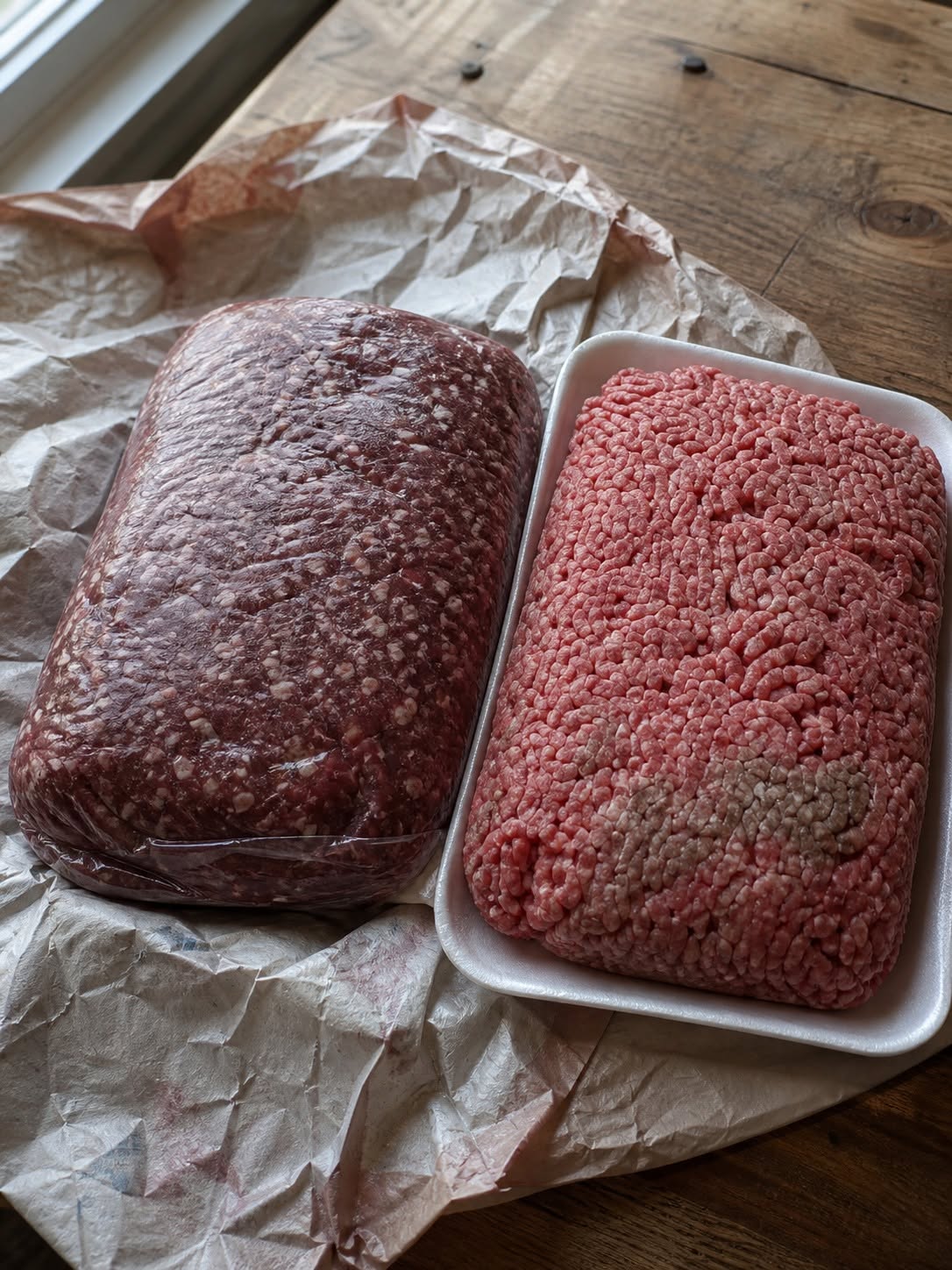
When you go to the grocery store and pick up a package of beef, it looks clean, consistent, and convenient. But many people — especially those who grew up with local farms or have tried meat straight from a farmer — say there’s a big difference in taste and quality. So what really sets farm-raised beef apart from the beef you usually find in supermarkets?
Understanding these differences can help you make choices that feel right for your health, your budget, and your values. Let’s take a closer look at what actually separates the two.
The Taste Difference Most People Notice First
People who regularly eat farm-raised beef often describe the flavor as richer, deeper, and more “like it used to taste.” This comes from how the cattle are raised. Many smaller farms let their animals graze on pasture for much of their lives. This natural diet, combined with more space to move, can create meat with better marbling and a more pronounced, satisfying flavor.
Store-bought beef, on the other hand, usually comes from large-scale operations. These cattle are often finished in feedlots with a high-grain diet designed for fast growth and consistent tenderness. While this produces reliable, mild-tasting beef that many people are used to, some say it lacks the depth and character found in grass-fed or pasture-raised meat.
How the Animals Are Raised Makes a Big Difference
The way cattle live has a direct effect on the meat they produce. Farm-raised cattle from smaller operations often spend more time outdoors grazing. This natural lifestyle can lead to firmer texture and more complex flavor. Many local farmers focus on thoughtful care, balanced diets, and giving animals room to move — all of which can show up in the final product.
Large-scale store-bought beef is typically raised in systems built for efficiency. Feedlots provide controlled environments and grain-heavy diets that help cattle grow quickly and produce uniform cuts. This approach makes beef more affordable and consistent, but it can result in milder taste compared to meat from animals raised with more natural methods.
Convenience vs. Connection
One of the biggest advantages of store-bought beef is convenience. Supermarkets offer wide selection, predictable prices, and easy access. For busy families, this reliability is very helpful. You can grab what you need quickly without planning ahead.
Farm-raised beef offers something different: a personal connection. Many people enjoy visiting local farms, talking with the farmers, and knowing exactly how their food was raised. This relationship gives a sense of trust and transparency that large stores can’t always match. Buying directly from a farm also often means fresher meat and the option to purchase in bulk for the freezer.
Price and Value — What You’re Really Paying For
Farm-raised beef often costs a bit more per pound. Smaller farms invest more time and care into raising animals, which naturally raises the price. However, many customers feel the richer taste, better quality, and peace of mind make it worth the extra cost. Buying in bulk from a local farmer can also help bring the price down over time.
Store-bought beef is generally cheaper thanks to large-scale production and distribution. If budget and convenience are your top priorities, supermarket beef remains a practical and reliable choice for many households.
Which One Is Right for You?
There is no single “best” choice between store-bought and farm-raised beef. Both can be part of a healthy diet. The right option depends on what matters most to you:
- If you value knowing exactly where your food comes from and prefer richer, more traditional flavor, farm-raised beef may be worth exploring.
- If convenience, lower cost, and consistent availability are more important, store-bought beef works well for many families.
Many people choose a mix — buying everyday cuts from the store and special cuts or bulk packages from local farms when possible.
The Final Reveal: The real difference between store-bought and farm-raised beef comes down to how the cattle were raised and what they ate. Farm-raised beef often has a richer, deeper flavor and firmer texture because the animals spend more time on pasture with a more natural diet. Store-bought beef is usually milder, more consistent, and more affordable due to large-scale production methods. Both have their place — the best choice depends on your priorities for taste, convenience, budget, and connection to your food.
Making Better Choices for Your Table
Understanding where your beef comes from helps you feel more confident about what you’re feeding your family. Whether you shop at a big supermarket or support local farmers, knowing the differences allows you to make informed decisions that match your lifestyle and values.
As we get older, many of us become more thoughtful about the food we eat. Taking a little time to consider quality, sourcing, and taste can make everyday meals more satisfying and meaningful. The choice between store-bought and farm-raised beef is personal — and both options can be part of a balanced, enjoyable approach to eating well.
This is a popular food and farming discussion originally shared and discussed across various internet communities and forums.
Disclaimer: Our website is designed for informational and entertainment purposes only. We are not a real estate company and do not engage in selling, listing, or brokering properties. We operate as a blog, curating and sharing interesting houses we find on various websites across the internet. All decisions related to real estate should be made in consultation with licensed professionals. We do not guarantee the accuracy or timeliness of the information provided. Use our content at your own discretion and risk.