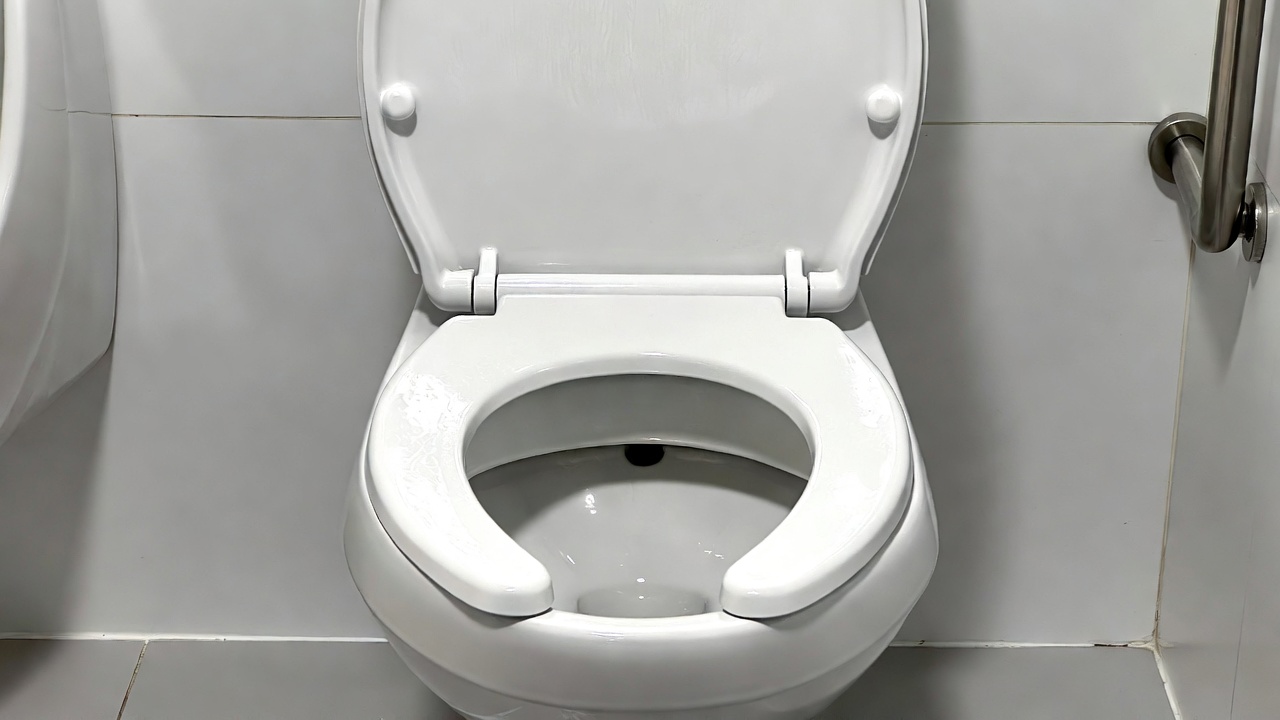
Let’s be real — nobody exactly looks forward to using a public restroom. We usually rush in, do our business, and get out as fast as possible. Because of that “get in and get out” mindset, most of us never stop to wonder: why do public toilets almost always have those U-shaped seats while our home toilets have nice, full oval ones?
It turns out there are some surprisingly practical (and kind of hilarious) reasons behind the U-shaped design. Once you learn them, you’ll definitely notice these seats every single time you use a public bathroom. Let’s break it down.
The Main Reason: Better Hygiene in High-Traffic Places
The number one reason for U-shaped toilet seats in public restrooms is hygiene. That open gap at the front reduces direct contact between a person’s body and the toilet seat. In busy public places with hundreds of users every day, this design helps limit the spread of germs.
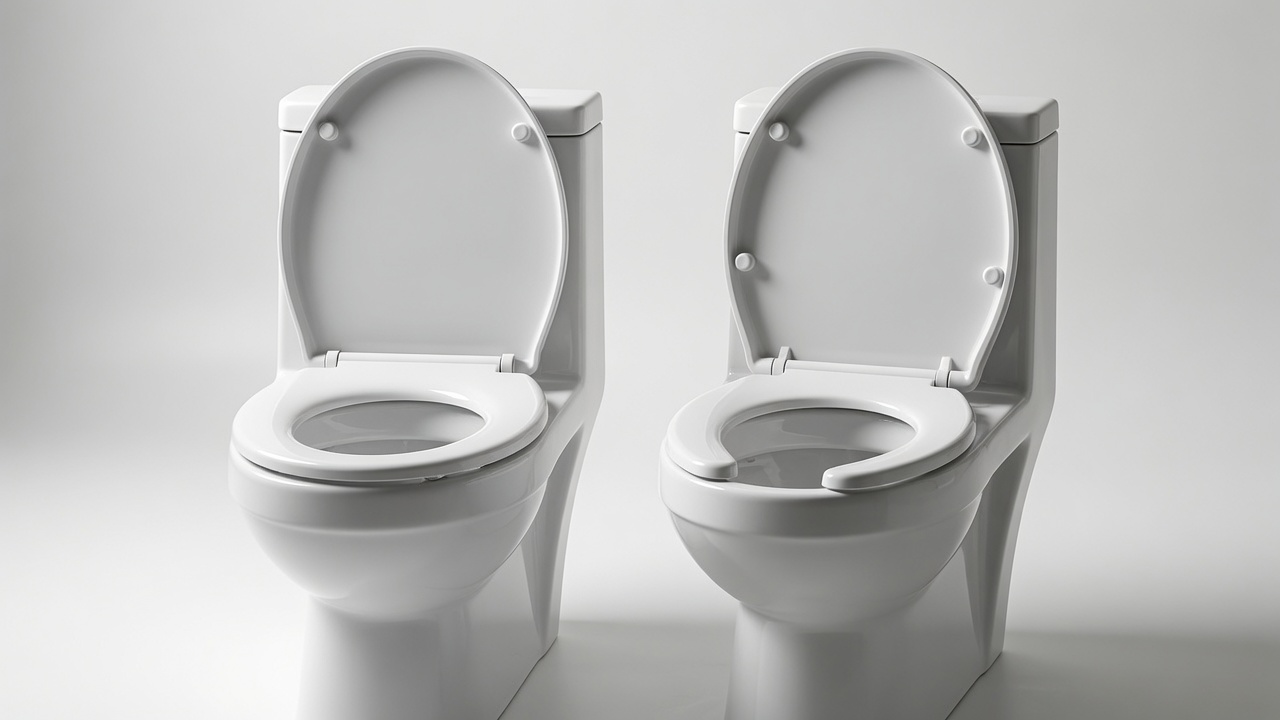
It’s a small but smart feature that makes public toilets a little less gross. The gap allows for easier cleaning too — custodians can wipe the seat more thoroughly without as many hard-to-reach spots. Considering how many people share these seats, every little hygiene improvement counts.
It Saves Money (And Public Budgets Matter)
Another big reason is cost. U-shaped seats use less material to manufacture, making them cheaper to produce and replace. When you’re outfitting thousands of restrooms across parks, schools, airports, and malls, those savings add up fast.
Public facilities have tight budgets, so choosing the more affordable option that still gets the job done makes practical sense. It’s not flashy, but it’s smart management of taxpayer or company money.
The Wildest Reason: People Actually Steal Toilet Seats
Ready for the most surprising reason? U-shaped seats are harder to steal. Yes, people really do steal toilet seats from public restrooms. According to folks who manage these facilities, full oval seats sometimes mysteriously disappear because they fit perfectly on home toilets.
The U-shape doesn’t match standard home toilet bowls, so thieves have little use for them. It’s a clever anti-theft design that actually works. Who knew toilet seat theft was common enough to influence public restroom design?
How U-Shaped Seats Came to Be So Common
This design became the standard in many countries for public facilities because it balances hygiene, cost, and practicality. While home toilets prioritize comfort with full seats, public ones focus on durability, cleanliness, and preventing weird theft problems.
Modern U-shaped seats are usually made from strong, easy-to-clean materials that hold up to heavy daily use. They’re designed for function first, which makes total sense when you think about the volume of traffic these restrooms see.
Other Smart Features of Public Restroom Toilets
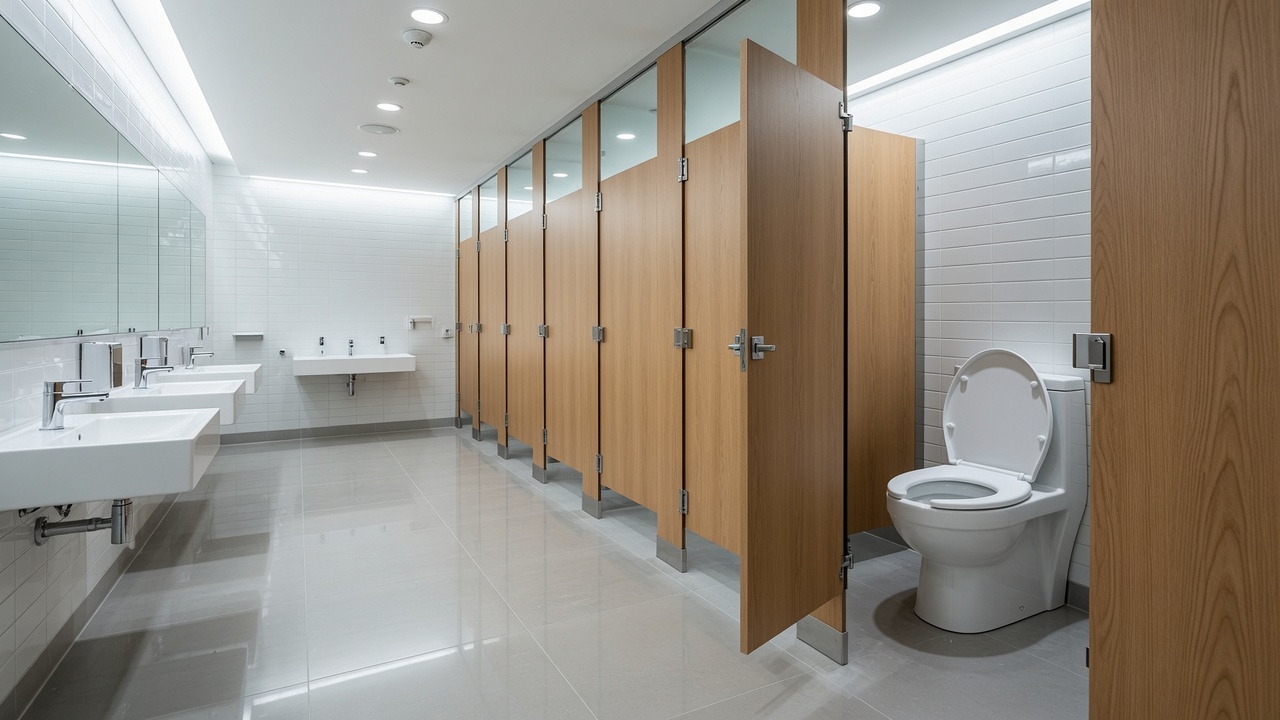
While we’re talking toilet seats, public restrooms have other clever designs too:
- Automatic flush sensors
- Seat covers that dispense one at a time
- High-pressure flushing systems
- Touchless faucets and soap dispensers
All these features work together to make public bathrooms safer and more hygienic for everyone.
What This Means for Your Next Public Restroom Visit
Next time you’re in a public restroom, take a quick look at that U-shaped seat. Instead of just thinking “public toilet… gross,” you can appreciate the thoughtful engineering behind it. It’s there to keep things cleaner, save money, and discourage silly thefts.
It’s one of those small design choices that quietly makes daily life work better. Random facts like this are what make the world interesting. Who knew a toilet seat could have such a story?
So the next time someone asks you a random trivia question, you can hit them with this one. Bet they’ll never look at public restrooms the same way again either!
Disclaimer: Our website is designed for informational and entertainment purposes only. We are not a real estate company and do not engage in selling, listing, or brokering properties. We operate as a blog, curating and sharing interesting houses we find on various websites across the internet. All decisions related to real estate should be made in consultation with licensed professionals. We do not guarantee the accuracy or timeliness of the information provided. Use our content at your own discretion and risk.