
You walk into a hotel room after a long day of travel, drop your suitcase on the floor, and notice it right away — that neat strip of fabric laid perfectly across the foot of the bed. Sometimes it’s bold and colorful, sometimes it’s subtle with a little texture. Either way, it looks intentional. Most of us have wondered the same thing: what is that strip actually for?
Those fabric pieces are called bed runners (or sometimes bed scarves). They’re not random decoration. Hotels use them for a mix of practical and visual reasons, and once you understand why they’re there, the whole setup makes a lot more sense. Here’s the real story behind them.
They Add Style Without Overpowering the Room
Most hotels lean heavily on crisp white bedding. It looks clean, bright, and works in almost any design scheme. The downside? A completely white bed can feel a little flat or clinical, especially in a room with neutral walls and simple furniture.
The bed runner fixes that. It brings in color, pattern, or texture that ties everything together — matching the curtains, echoing a piece of artwork, or picking up tones from the pillows. It’s a small detail that makes the whole bed look finished and thoughtfully put together. In nicer hotels, the runner often gets custom-made to match the room’s branding or seasonal theme. It’s like adding a scarf to an outfit: the basic pieces stay the same, but everything suddenly feels more complete.
The Main Job Is Actually Protection
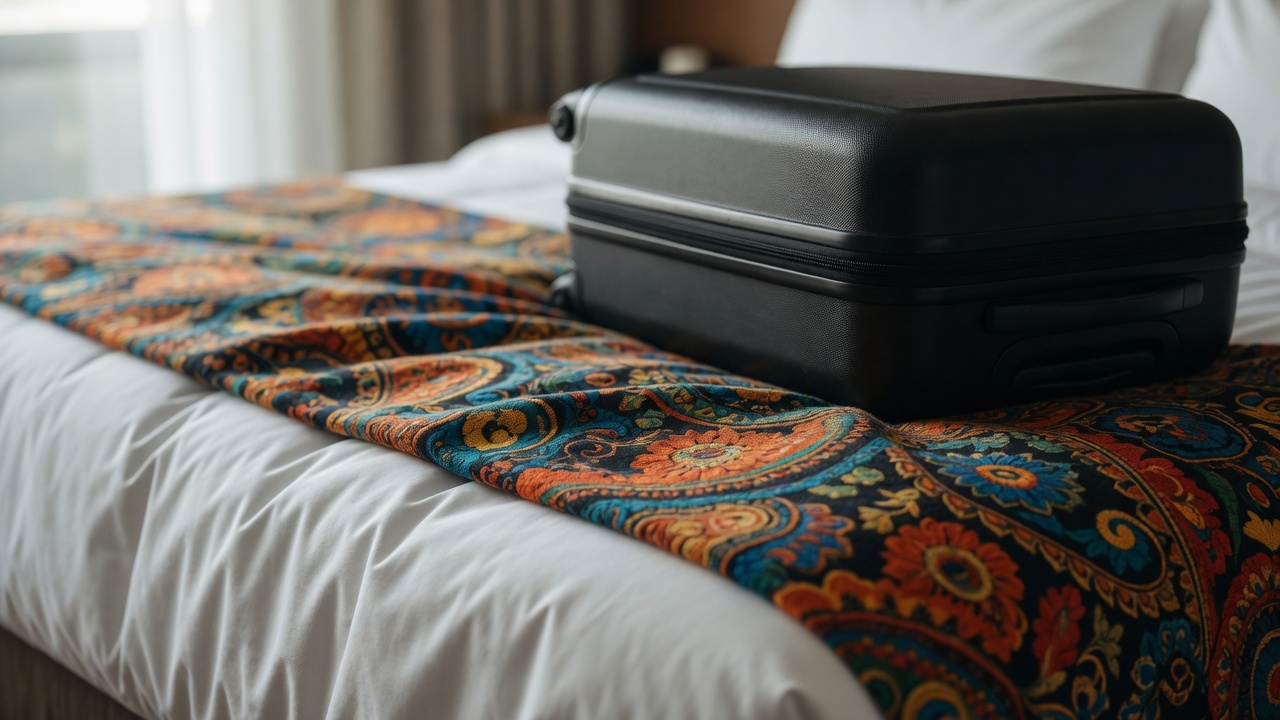
Here’s where things get practical. Think about what usually happens when you first enter a hotel room. Your suitcase goes on the bed. Your coat or jacket lands there too. Shoes come off and get set down. Maybe you drop shopping bags or a backpack while you unpack. All of that stuff carries dirt, germs, and wear from outside.
Rather than letting any of it touch the clean white comforter or duvet, the runner takes the hit. It’s a designated “mess zone.” Because it’s just a narrow strip, housekeeping can wash or replace it quickly and cheaply. Changing an entire king-size comforter after every guest would be expensive and time-consuming. The runner protects the bigger, more expensive pieces of bedding while still giving you a place to put your things.
Why Hotels Stick With White Sheets in the First Place
You might wonder why hotels don’t just use patterned or darker sheets that would hide stains better. The answer is simple: white shows everything. When sheets are white, any mark, yellowing, or missed stain is obvious immediately. That forces the hotel to keep standards high and gives guests visible proof that the bedding is fresh.
The bed runner works with this system. It keeps the main white surfaces cleaner for longer, so the “this bed is clean” message stays believable. It’s a smart combination — white for transparency and trust, runner for real-world protection.
A Guilt-Free Spot for Everyday Hotel Life
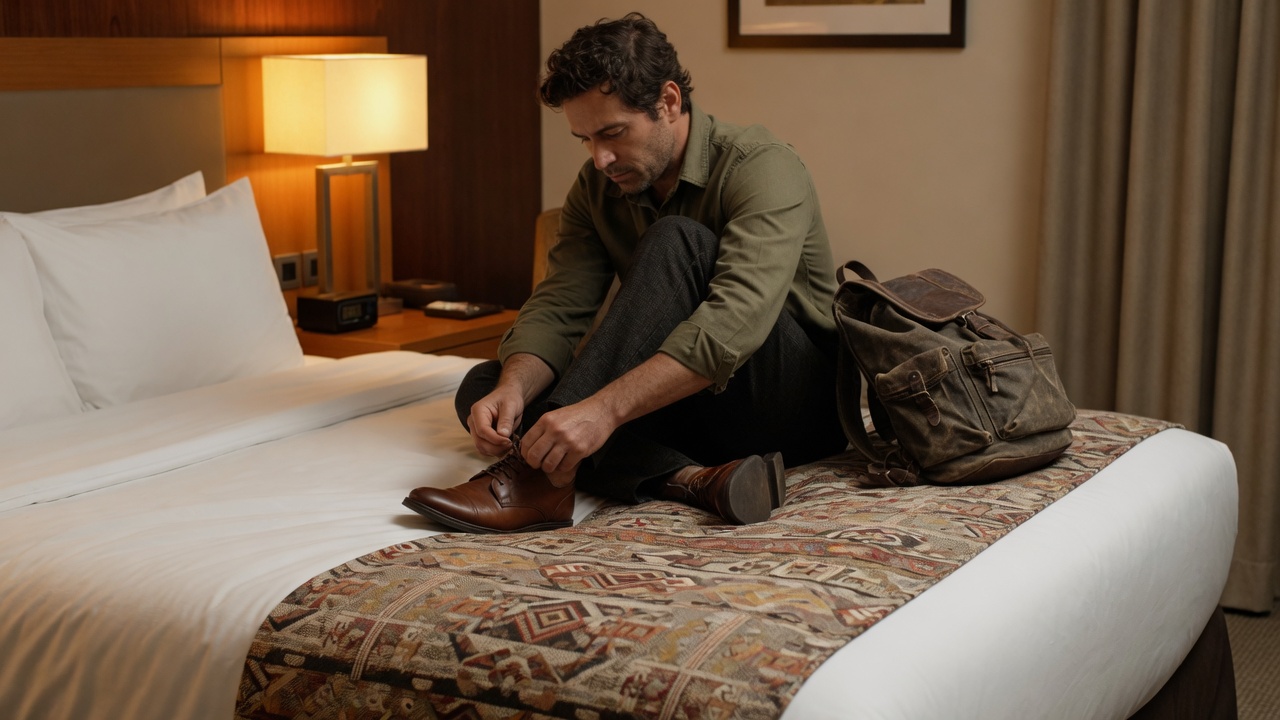
One of the best (and most under-appreciated) uses of a bed runner is how it changes your behavior in the room. Need to sit on the edge of the bed to put on shoes or boots? Go right ahead. Want to set your backpack or purse down without worrying about dirtying the comforter? The runner has you covered.
It creates a clear “it’s okay to use this area” zone. You’re not wrinkling or contaminating the main sleeping surface. For people who travel with kids or just like to spread out a bit, that small strip of fabric makes the room feel more livable instead of like a museum display.
The Honest Truth About How Clean They Really Are
Now for the part most people don’t talk about. While sheets and pillowcases almost always get washed between guests, bed runners are often cleaned on a different schedule. Many hotels only launder them when they look visibly dirty or as part of a deeper monthly clean. That means the runner could have been touched by dozens of previous guests before you arrived.
If you’re someone who likes everything as fresh as possible, the easiest move is to simply fold the runner up and set it on a chair or in the closet for your stay. Most hotels won’t mind at all — they expect some guests to do this. Then just put it back neatly before you check out.
Quick Hotel Hygiene Habits Worth Keeping
While we’re on the topic of cleanliness, here are a few other simple habits that make a real difference:
- Do a quick bed bug check when you arrive — lift the corners of the mattress and inspect the seams, then glance behind the headboard. It takes less than two minutes.
- If there’s no luggage rack, consider placing your suitcase in the bathtub for the first few hours. Hard, clean surfaces are much less likely to harbor unwanted travelers.
- Wipe down the remote control and light switches with a disinfectant wipe if you have one. These high-touch items don’t always get the same attention as bedding.
Small steps like these help you settle in with more peace of mind.
They Even Help the Room Feel More Relaxing
There’s one last, slightly unexpected benefit. When a hotel room looks intentionally designed — even in small ways — it helps your brain relax faster. The clean lines, the pop of color at the foot of the bed, the overall sense that someone cared about the details… it all adds up to a calmer feeling after a day of travel.
Pair that with blackout curtains, a quiet air conditioner, and a good pillow, and the whole space starts working with you instead of against you. Sometimes the littlest things make the biggest difference in how well you actually sleep.
So What’s the Bottom Line?
That fabric strip on the hotel bed isn’t just there to look pretty (though it does help). It protects the main bedding, gives you a practical place to put things, supports the hotel’s cleanliness standards, and adds a finishing touch to the room design. It’s one of those quiet, clever details that makes hotel life a little smoother for everyone involved.
Next time you check in and see one, you’ll know exactly why it’s there. And if you’d rather not use it, feel free to move it aside — no guilt required. Safe travels, and here’s to actually enjoying that freshly made hotel bed.
Disclaimer: Our website is designed for informational and entertainment purposes only. We are not a real estate company and do not engage in selling, listing, or brokering properties. We operate as a blog, curating and sharing interesting houses we find on various websites across the internet. All decisions related to real estate should be made in consultation with licensed professionals. We do not guarantee the accuracy or timeliness of the information provided. Use our content at your own discretion and risk.