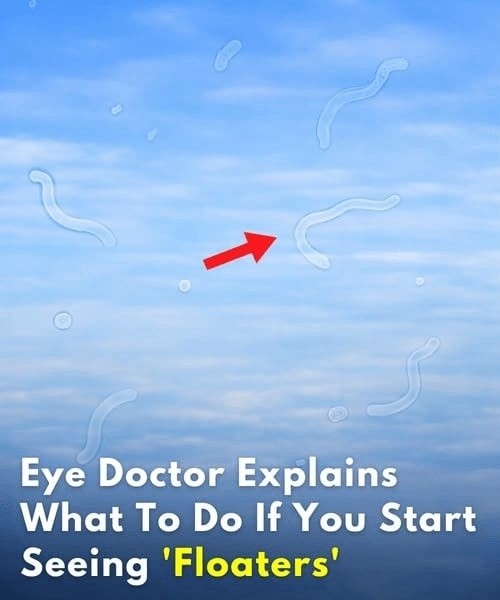
Eye floaters are those tiny spots, threads, or cobweb-like shapes that drift across your vision, especially when you look at a bright background like a clear sky or a white wall. They move when your eyes move, which can make them annoying and sometimes a little worrying if you’ve never noticed them before.
Many people experience them at some point, and while they’re often harmless, it’s helpful to understand what’s happening and when you should pay closer attention.
What Causes Eye Floaters?
Inside your eye is a gel-like substance called the vitreous. As we get older, this gel naturally shrinks and becomes more liquid. When that happens, tiny bits of collagen and other proteins can clump together. These clumps cast small shadows on the retina, and that’s what we see as floaters.
They’re usually more noticeable in bright light or when you’re looking at something plain and light-colored. Most of the time, they’re just a normal part of aging.
Eye Floaters and Flashes of Light
Some people also notice flashes of light along with floaters. These flashes happen when the shrinking vitreous gently tugs on the retina. The pull creates a brief burst of light in your vision.
Occasional flashes are fairly common, especially as we age. However, if they happen suddenly, frequently, or are accompanied by a lot of new floaters, it’s worth getting checked out.
Who Is More Likely to Get Eye Floaters?
Floaters and flashes become more common after age 50. They’re also more frequent in people who are nearsighted or have had cataract surgery. If any of these apply to you, you might notice them earlier or more often.
That said, they can appear at any age, especially if you’ve had an eye injury or inflammation in the past.
When Should You See a Doctor About Eye Floaters?
Most floaters are harmless and don’t require treatment. But there are certain warning signs you shouldn’t ignore:
A sudden increase in the number of floaters, especially if they appear alongside flashes of light, could point to a retinal tear or retinal detachment. Other red flags include vision loss, a shadow or curtain moving across your vision, or eye pain.
If you notice any of these changes, it’s important to get your eyes examined promptly. Early attention can make a big difference in protecting your vision.
How Are Eye Floaters Diagnosed and Treated?
An eye doctor will usually perform a dilated eye exam. This allows them to get a clear view of the vitreous and retina to check for any problems.
In most cases, no treatment is needed because the brain often learns to ignore the floaters over time. When treatment is considered, options include a surgical procedure called vitrectomy (removing the vitreous gel) or laser therapy to break up the clumps. These are not always recommended and depend on how much the floaters affect your daily life.
What Can You Do to Protect Your Eyes?
While you can’t completely prevent age-related floaters, you can take good care of your eyes overall. Regular eye exams are one of the best ways to catch any issues early. Wearing sunglasses that block UV rays, eating a diet rich in leafy greens and omega-3s, and avoiding smoking all support long-term eye health.
Most importantly, pay attention to changes in your vision and don’t hesitate to get them checked if something feels off.
This article is for general information only. If you are experiencing new, worsening, or sudden eye floaters or flashes, please consult an eye doctor or medical professional promptly for proper evaluation and advice.
Disclaimer: Our website is designed for informational and entertainment purposes only. We are not a real estate company and do not engage in selling, listing, or brokering properties. We operate as a blog, curating and sharing interesting houses we find on various websites across the internet. All decisions related to real estate should be made in consultation with licensed professionals. We do not guarantee the accuracy or timeliness of the information provided. Use our content at your own discretion and risk.