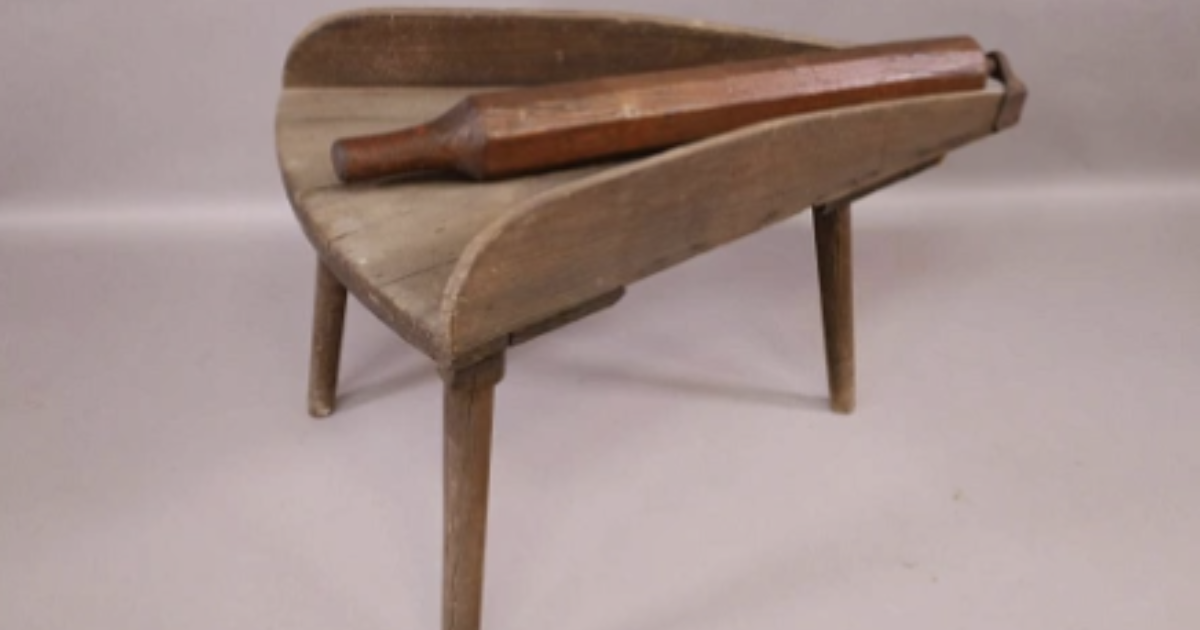
Picture this: a simple wooden trough sitting quietly in the corner of an old farmhouse kitchen. Dark, worn smooth by decades of use, with a ridged roller attached. Most folks today would walk right past it at a flea market without a second glance. But back in the day? This unassuming tool was a daily hero in kitchens across the countryside.
I’m talking about the butter worker. And yes, I still catch that faint salty-cream-and-wood smell in my memories. My grandma had one, and watching her use it felt like witnessing a quiet kitchen miracle.
What Exactly Is a Butter Worker?
A butter worker is a traditional wooden tool used to knead freshly churned butter. Its main job? Pressing out the last drops of buttermilk, mixing in salt, and creating that perfect, spreadable texture we all love.
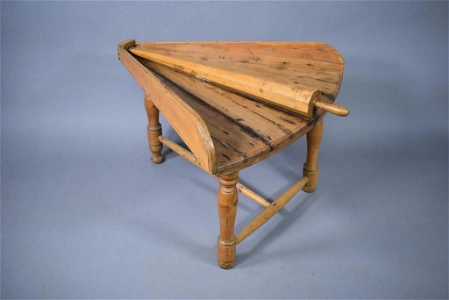
It usually looks like a shallow wooden tray or trough with a heavy roller or paddle that moves back and forth. The ridges on the roller help squeeze out liquid while working the butter evenly. Grandma’s was stained dark from years of butter, fingertips, and sunshine streaming through the kitchen window. Nothing fancy – just honest, hardworking wood.
Before electric mixers and fancy butter machines, this tool was essential. After you churned cream into butter in a big wooden churn, the butter worker stepped in to finish the job properly.
Why Butter Workers Mattered in the Old Days
Back then, keeping food from spoiling was serious business. Leave too much buttermilk in your fresh butter and it would turn sour or moldy fast. Grandma always said, “If you leave buttermilk in there, by Sunday you’ll be spreading mold.” She wasn’t kidding.
The process was simple but effective. She’d scoop the soft, golden butter straight from the churn into the trough. Then she’d roll that ridged roller back and forth with steady pressure, watching the milky buttermilk ooze out the sides. She’d drain it, add a pinch of salt, and sometimes mash in marigold petals for that beautiful yellow color or fresh herbs when she felt fancy.
It wasn’t just about the butter itself. It was about doing things right. That extra step made butter that lasted longer, tasted cleaner, and spread like a dream on warm cornbread.
My Childhood Adventures With Grandma’s Butter Worker
I got pulled into the process more times than I can count. If I was hanging around the kitchen looking idle, Grandma would hand me the roller with a knowing smile. “Grab that paddle and help me work this butter,” she’d say, like she was passing down a family treasure.
At first I’d complain under my breath – it was harder than it looked! But there was something oddly satisfying about it. The cool, creamy butter squishing under the roller, the rhythmic thump of wood on wood, the salty scent filling the air. It felt like edible Play-Doh with a purpose.
The best part? The smells. Fresh cream, a bit of salt, warm wood, and whatever was bubbling on the wood stove. You could bottle that aroma and call it “Eau de Homestead.” Kids today might not believe it, but being Grandma’s sous-chef was one of the highlights of my summers.
The Social Side of Butter Making
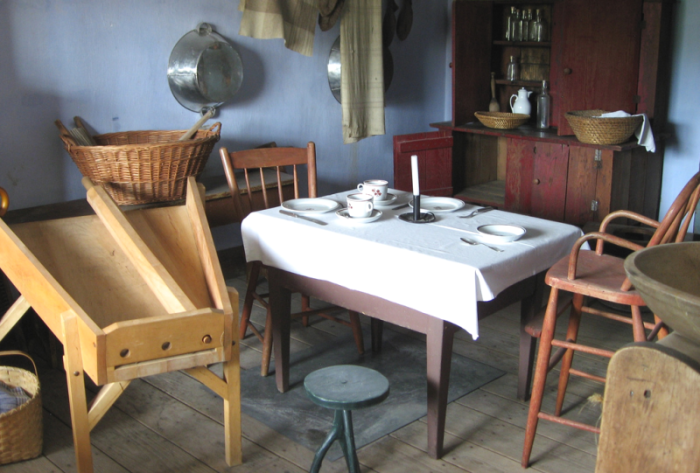
Here’s what a lot of people miss about these old tools: they brought people together. The butter worker wasn’t just practical – it was social glue.
While working the butter, folks would chat, laugh, share stories, and catch up on life. Hands stayed busy, but hearts stayed connected. It turned a chore into quality time. Neighbors might drop by, kids would lick the paddle when no one was looking, and wisdom got passed down without anyone realizing it.
Every batch had a story: which cows grazed where, if the cream was the right temperature, or who forgot the salt last time. That connection between the land, the animals, the hands that made it, and the table where it was eaten? That’s what made it special.
From Churn to Table: The Full Old-Fashioned Butter Process
Let me walk you through how it all worked, step by step:
- Separate the cream: Let fresh milk sit so the cream rose to the top.
- Churn it: Pour cream into a churn and work that plunger until butter forms and buttermilk separates.
- Collect the butter: Scoop out the solid butter.
- Work the butter: Use the butter worker to press out remaining buttermilk.
- Season it: Add salt and any extras like herbs or colorings.
- Shape and store: Form into blocks or rolls and keep cool.
That final working step with the butter worker made all the difference in quality and shelf life.
Do We Still Need Butter Workers Today?
I’m not suggesting we all ditch our fridges and go full pioneer (though some days I’m tempted). But there’s real value in understanding these old ways.
Modern store-bought butter is convenient, but homemade has a flavor depth that’s hard to beat. And using traditional tools connects us to generations before us. Plenty of people today are rediscovering butter making as a hobby – for sourdough spreads, fresh baking, or just the satisfaction of making something real.
You can still find butter workers in antique shops, online marketplaces, or even at farm museums. If you spot one, pick it up. Run your fingers over those grooves. Feel the history in the worn wood.
Why I Miss the Simpler Kitchen Days
Don’t get me wrong – I love my modern kitchen. But there’s something about the deliberate pace of the old ways that feels missing now.
That butter worker was a reminder that the best things take a little effort. A little sweat. Maybe some cream under your nails. And in return? Something honest, delicious, and made with love.
In our busy world of instant everything, taking time to make butter the old-fashioned way feels almost rebellious. It slows you down. It makes you present. And the reward? Butter that actually tastes like something.
Next time you’re at a yard sale or antique store, keep an eye out for that humble wooden trough with the roller. You might just find a piece of kitchen history – and a reason to slow down and make something beautiful.
Have you ever seen or used a butter worker? Drop a comment below and share your memories. I’d love to hear how these old tools show up in your family stories.
Disclaimer: Our website is designed for informational and entertainment purposes only. We are not a real estate company and do not engage in selling, listing, or brokering properties. We operate as a blog, curating and sharing interesting houses we find on various websites across the internet. All decisions related to real estate should be made in consultation with licensed professionals. We do not guarantee the accuracy or timeliness of the information provided. Use our content at your own discretion and risk.