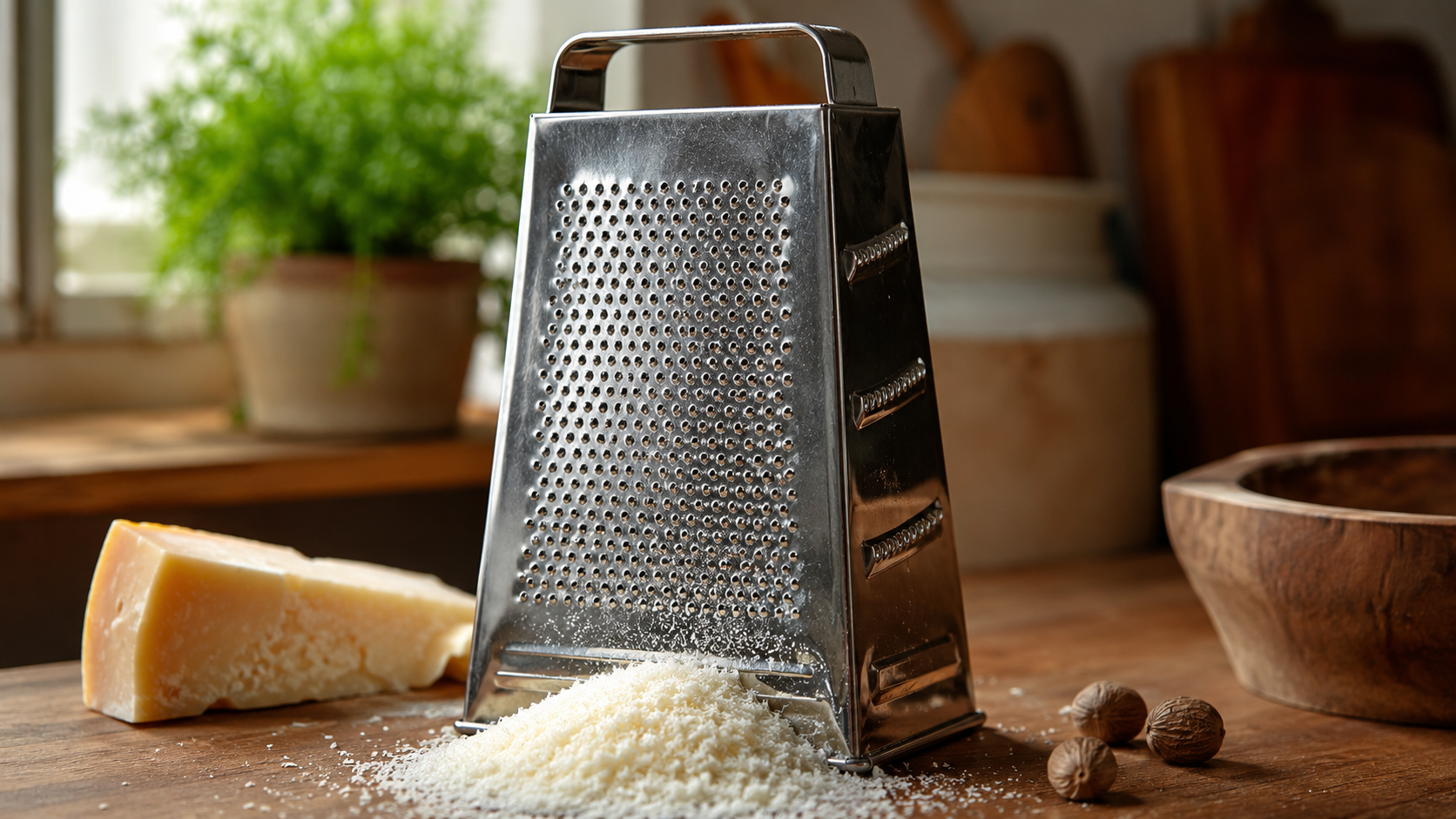
Let’s be honest — we’ve all got that one kitchen gadget that sits in the drawer and gets pulled out for cheese night. The humble cheese grater. You know the boxy metal one with four different sides. Most of us stick to the big holes for chunky shreds and the small ones for finer bits. But that mysterious fourth side? Yeah, it’s been quietly minding its own business while we completely miss out on its superpowers.
I used to ignore it too. I’d grate cheddar on the big side, maybe chocolate on the medium, and call it a day. Then one day while making a fancy pasta dish, I finally paid attention to that last side. Game changer. Turns out this overlooked feature is the secret to restaurant-quality finishes at home. Let’s dive into what each side actually does and why that fourth side deserves a permanent spot in your cooking routine.
Quick Breakdown: What Do All Four Sides Actually Do?
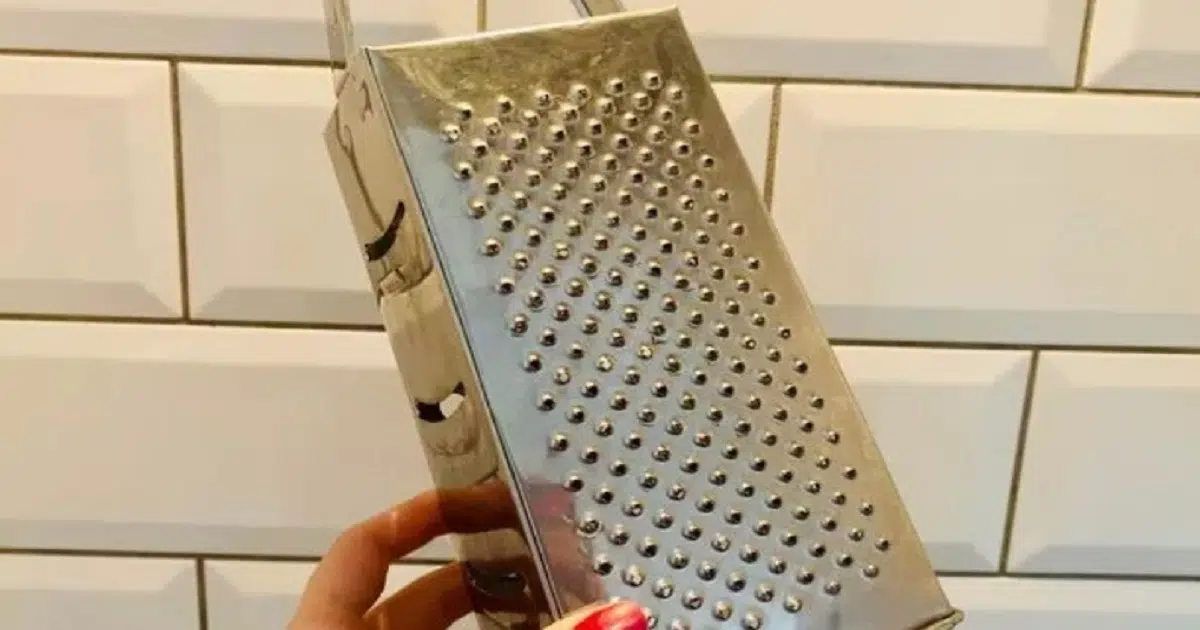
A good box grater is like a kitchen multitasker with four distinct personalities. Here’s the lowdown:
- The large holes: Perfect for shredding semi-hard cheeses like cheddar, mozzarella, or Gruyère. These create those satisfying long shreds that melt beautifully on top of casseroles or in tacos.
- The medium/small holes: Great for harder cheeses, carrots, zucchini, or even chocolate. These give you a nice fine shred without turning everything to mush.
- The wide slits: This is your slicer side. Use it for thin slices of cheese, potatoes for gratins, or even onions and cucumbers when you want uniform pieces fast.
- The fourth side — the star we’re talking about today: Tiny razor-sharp holes that produce the finest, almost powdery grate.
That last side is what turns ordinary home cooking into something special. It creates cheese so fine it practically melts into sauces without clumping. Think of it as your secret weapon for smooth, even flavor distribution.
Why the Fourth Side Is a Total Game-Changer
The fourth side produces the finest shreds possible — almost like the pre-grated Parmesan you buy in those green cans or plastic tubs at the store. Except yours is fresher, tastier, and without any weird additives. This ultra-fine texture is perfect when you want cheese to disappear into dressings, soups, or sauces rather than sitting on top.
I first discovered its magic while making Caesar salad dressing from scratch. A few quick passes on that fine side with some aged Parmesan and it blended right in, giving the dressing that creamy, nutty flavor without any gritty bits. My family actually asked if I’d bought it from a fancy restaurant!
Beyond cheese, this side excels at other finicky ingredients. Got a stubborn nutmeg nut? Grate it here for the freshest possible spice. Fresh ginger turns into a perfect paste-like texture for stir-fries and marinades. Garlic cloves? You get intense flavor without big chunks. It’s also fantastic for zesting citrus — those tiny holes catch every bit of fragrant peel while leaving the bitter white pith behind.
Practical Ways to Use the Fourth Side Every Day
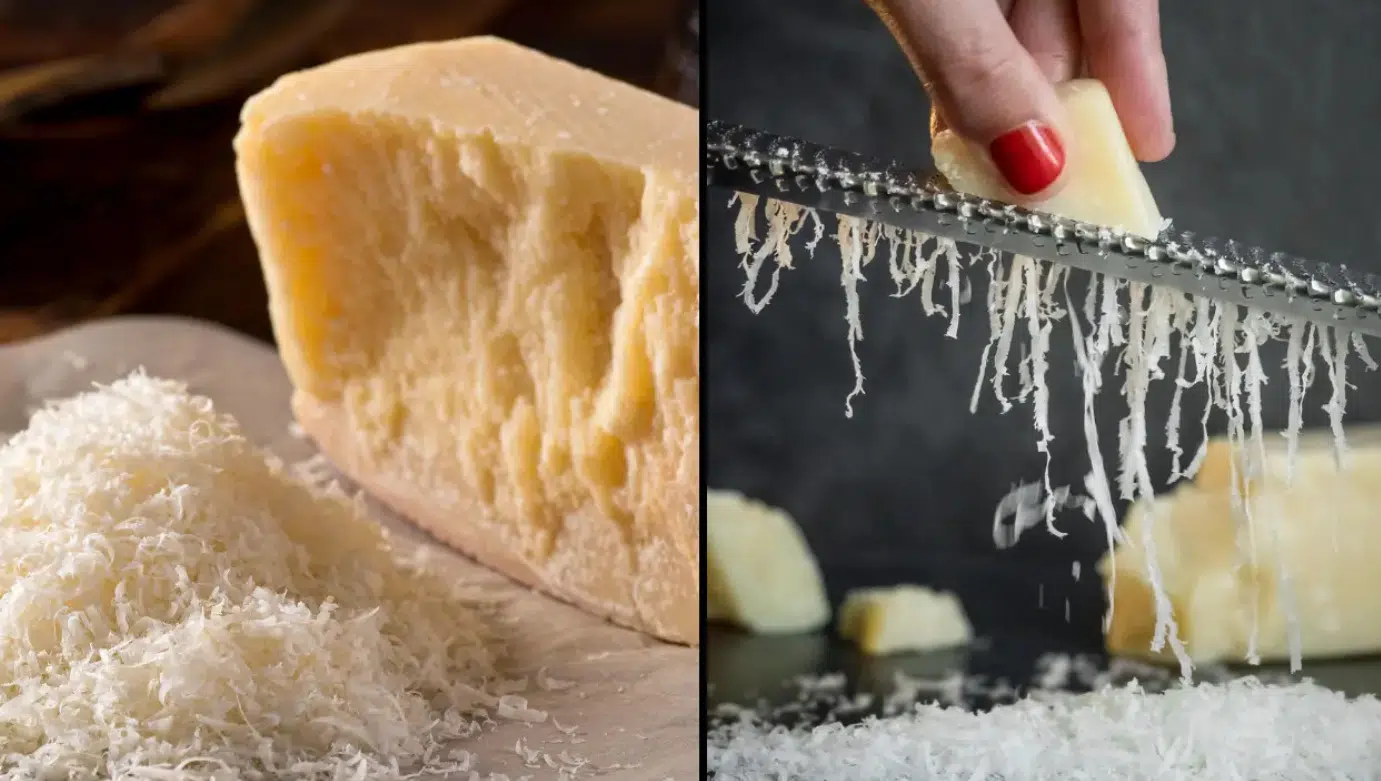
Once you start using it, you’ll find excuses to pull it out. Here are some of my favorite ways:
Cheese magic: Make your own “grated” Parmesan that melts seamlessly into risotto, alfredo sauce, or scrambled eggs. No more clumps!
Spice upgrades: Freshly grated nutmeg transforms baked goods and creamy sauces. Cinnamon sticks work too for a bolder flavor than pre-ground.
Zesting like a pro: Add bright lemon, lime, or orange zest to cookies, salad dressings, or even cocktails. The fine texture distributes flavor evenly without big chewy pieces.
Vegetable helpers: Grate ginger or garlic finely for Asian dishes, or create a quick onion puree for soups and meatloaf.
Chocolate dreams: Create the finest chocolate “dust” for dusting desserts or mixing into whipped cream. It looks and tastes incredibly professional.
I started keeping my grater on the counter more often after discovering this. It makes weeknight meals feel a little more elevated without extra effort.
Pro Tips for Getting the Most Out of Your Grater
To avoid frustration, chill your cheese in the freezer for 10-15 minutes before grating — it shreds cleaner and doesn’t gum up the holes. Always grate directly over your bowl or pan to catch every precious bit. And clean it right away while the residue is still soft. A quick rinse with hot soapy water and an old toothbrush gets into those tiny holes on the fourth side easily.
Don’t have a box grater? A Microplane works similarly for the fine tasks, but the box version gives you all the options in one tool. Look for stainless steel ones with comfortable handles — they last for years.
One warning: those sharp holes on the fourth side mean business. Grate carefully and use a cut-resistant glove if you’re doing big batches. Safety first while chasing those perfect textures!
Why We Overlook Simple Tools Like This
It’s funny how something sitting in our drawer for years can still surprise us. The fourth side of the cheese grater is a perfect example of those “hidden in plain sight” kitchen features. Kind of like that random loop on your towel or the extra button on your coat — small things with big purpose once you know.
Next time you reach for your grater, flip it around and give that fourth side some love. Your sauces will be smoother, your baked goods more fragrant, and your cooking confidence will get a nice boost. Who knew one little side could make such a difference?
Have you been using the fourth side all along, or did this blow your mind like it did mine? Drop your favorite grater hacks or recipes in the comments — I’m always looking for new ways to make dinner more fun and delicious!
Happy grating, friends. Your next batch of finely grated cheese is going to be a revelation.
Disclaimer: Our website is designed for informational and entertainment purposes only. We are not a real estate company and do not engage in selling, listing, or brokering properties. We operate as a blog, curating and sharing interesting houses we find on various websites across the internet. All decisions related to real estate should be made in consultation with licensed professionals. We do not guarantee the accuracy or timeliness of the information provided. Use our content at your own discretion and risk.