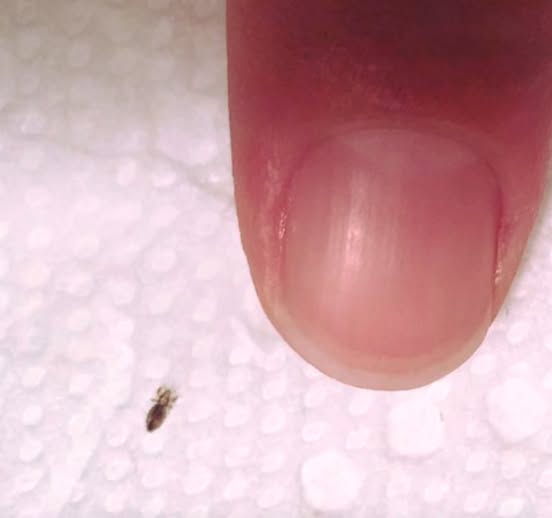
Every parent knows that moment of panic when their child comes home from school scratching their head. Head lice are one of the most common — and most frustrating — childhood issues families face. They spread quickly, cause discomfort, and can make parents feel overwhelmed. But with the right approach, they are completely manageable.
Here’s what you need to know to detect, treat, and prevent head lice effectively so you can protect your family and reduce stress.
Why Head Lice Keep Coming Back
Head lice are tiny insects that live on the human scalp. They don’t jump or fly, but they crawl quickly from one person to another through head-to-head contact. This is why they spread so easily in schools, playgrounds, and during sleepovers.
Many parents worry about sharing hats, brushes, or pillows, but direct head contact is by far the most common way lice move between children. Knowing this helps you focus on the right prevention steps instead of unnecessary cleaning.
How to Spot Head Lice Early
The first sign is usually itching of the scalp. However, itching doesn’t always start right away, so lice can spread before anyone notices. The best way to check is to use a fine-toothed lice comb on wet hair. This method is more reliable than just looking with your eyes.
Look closely for:
– Live lice (small, grayish or brown, move quickly)
– Nits (eggs) attached firmly to hair strands near the scalp
Nits are often easier to see than the actual lice. They look like tiny white, yellow, or brown specks and do not fall off easily like dandruff.
Effective Treatment Options
Over-the-counter lice shampoos and lotions are usually the first step. Follow the instructions carefully, and remember that you often need to repeat the treatment after a few days to catch newly hatched lice.
Wet combing is another effective method recommended by many health experts. Wash the hair, apply conditioner, and comb thoroughly with a fine-toothed comb. Repeat this process over several days to remove lice and eggs manually.
Combining both methods often gives the best results. Always check everyone in the household, even if they don’t have symptoms.
Simple Steps to Prevent Reinfestation
While you treat the lice, take these practical steps to reduce the chance of them coming back:
- Wash bedding, towels, and recently worn clothes in hot water
- Vacuum carpets and furniture
- Avoid head-to-head contact during play
- Do regular scalp checks, especially after school breaks
Extensive cleaning of the entire house is usually not necessary since lice don’t survive long away from the scalp.
Important Things to Remember
Head lice are not a sign of poor hygiene. They can affect anyone, regardless of how clean their hair is. Avoid blaming or shaming children — this only adds unnecessary stress.
Be patient. Treating lice takes time and repetition. With consistent effort, you can get rid of them and prevent them from returning.
Important Medical Disclaimer: This article is for entertainment and general information purposes only. It is not medical advice. Head lice treatment should be discussed with a doctor or pharmacist, especially if you have young children or if the infestation is severe. Always follow product instructions carefully and consult a healthcare professional for personalized advice.
The Final Reveal: Head lice are common, frustrating, but completely manageable. They spread mainly through head-to-head contact and are best handled with early detection using a fine-toothed comb, proper treatment (shampoos or wet combing), and simple household cleaning. Regular checks and open communication with your child’s school can help prevent reinfestation. While annoying, head lice are not dangerous and do not reflect poor hygiene — they are just one of those common childhood challenges that many families face and overcome together.
Staying Calm and Moving Forward
Dealing with head lice can feel overwhelming, especially when it spreads through the family. But with patience, the right tools, and consistent effort, you can resolve the issue and return to normal life quickly.
Remember that millions of families go through this every year. It’s temporary, treatable, and far less scary once you have a clear plan. Focus on practical steps, stay calm, and support your child through the process. You’ve got this.
This is a popular parenting and health topic originally shared and discussed across various internet communities and forums.
Disclaimer: Our website is designed for informational and entertainment purposes only. We are not a real estate company and do not engage in selling, listing, or brokering properties. We operate as a blog, curating and sharing interesting houses we find on various websites across the internet. All decisions related to real estate should be made in consultation with licensed professionals. We do not guarantee the accuracy or timeliness of the information provided. Use our content at your own discretion and risk.