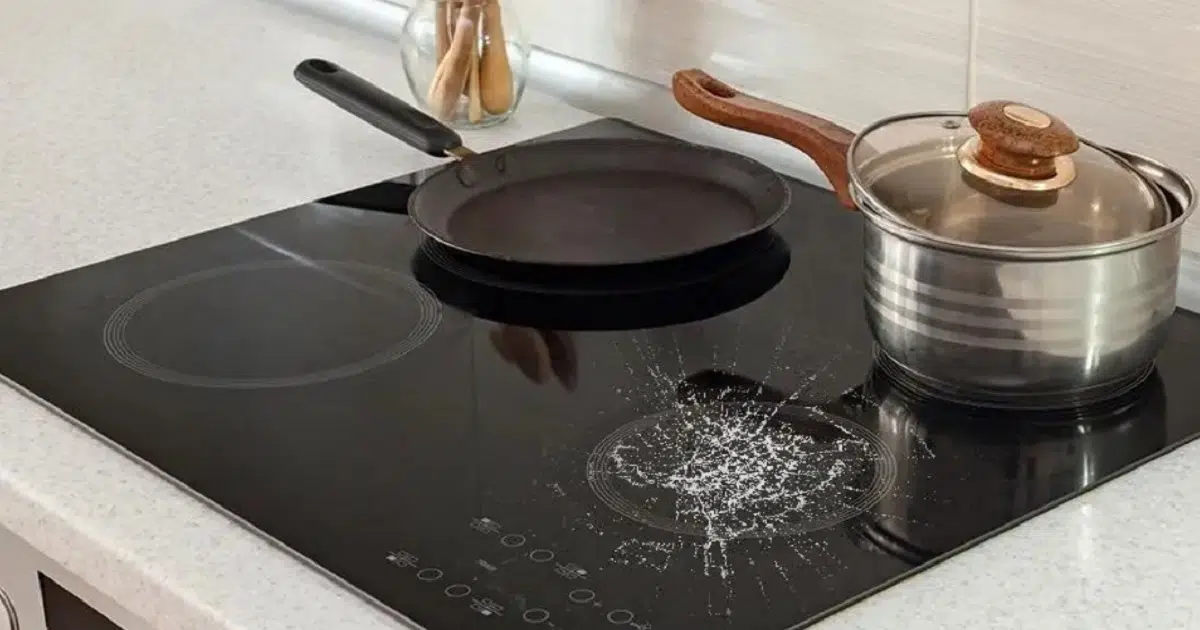
That Beautiful Glass Stove We All Love — Until It Isn’t
Glass top stoves have become such a staple in so many of our kitchens. They look sleek and modern, wipe clean in a flash, and give the whole room that nice, polished feel. No more worrying about crumbs hiding under old coil burners or scrubbing away stubborn messes. For many of us who’ve spent years cooking for family and friends, they feel like a welcome upgrade.
But here’s the thing — these stoves can be a bit more delicate than they appear. I’ve heard from so many folks over the years who learned this the hard way. One moment everything is going smoothly as you prepare dinner, and the next there’s a startling crack or, worse, shattered glass across the cooktop. It’s the kind of surprise none of us need, especially when we’re just trying to put a good meal on the table.
The Mistake That Happens in Seconds
The culprit is surprisingly simple: placing a hot pot lid facedown directly onto the cool glass surface. It might seem harmless — just setting it down for a quick stir or while you grab something from the pantry. But that one little habit can lead to real trouble faster than you’d expect.
I remember hearing about it from a neighbor who had it happen while making soup for her grandchildren. She wasn’t even in the room at the time. The loud pop scared everyone, and suddenly dinner plans changed in a big way. Stories like hers are more common than you might think, and they always come with that same mix of shock and regret.
It doesn’t feel like a big deal in the moment. After all, we’ve all balanced lids on counters or stovetops for years with older models. But glass cooktops play by different rules, and this particular move is one they really don’t like.
Why This Happens: The Science Made Simple
Here’s what’s going on behind the scenes. When you set that hot lid down flat, it creates a seal against the glass. Heat gets trapped underneath with almost no room to escape. The glass right under the lid heats up much faster than the rest of the surface around it.
Then, as the lid starts to cool or the surrounding air does its thing, you get a sudden difference in temperature and pressure. The glass can’t handle that stress, and it cracks — sometimes with a spiderweb pattern, other times with a dramatic shatter. It’s called thermal shock, and it’s one of the most common ways these cooktops meet an early end.
Unlike dropping something heavy, this feels sneaky because it happens from heat alone. No big impact, just everyday cooking habits catching us off guard.
What It Means for Your Kitchen and Your Family
A cracked glass top isn’t something you can easily ignore or patch up. Once it’s damaged, the whole surface becomes unsafe. Tiny shards can work loose, and the cooktop may not heat evenly anymore. More importantly, there’s the risk of electrical issues or further shattering while you’re cooking with hot pots, boiling water, or oil.
For those of us with grandchildren running around or pets underfoot, that safety concern hits especially close to home. No one wants to worry about broken glass near little feet or curious paws. And replacing the cooktop? It’s not a small expense. Depending on your model, you could be looking at several hundred dollars or more, plus installation.
It’s one of those reminders that taking a little extra care with our appliances can save us a lot of hassle and money down the road.
Safer Habits That Make Cooking Easier
The good news is that avoiding this mistake is straightforward once you know about it. Here are some gentle, practical ways to handle hot lids without worry:
- Use a trivet or potholder on the counter — it gives the lid a safe, heat-proof spot.
- Prop the lid at an angle against a cold pot or on the edge of the sink if you’re in a pinch.
- Keep a dedicated lid rest or folded towel nearby for quick placement.
- Train the habit — make it second nature to never set a hot lid flat on the glass.
Many experienced home cooks I’ve spoken with swear by these small adjustments. They keep the kitchen running smoothly and protect that investment in your stove.
Other Gentle Reminders for Glass Cooktop Care
While we’re talking about keeping things safe, a few other tips can help your stove last longer:
- Let the surface cool before cleaning it.
- Avoid dragging heavy or rough-bottomed pots across the glass.
- Watch for sudden temperature changes, like cold water on a hot burner.
- Use cookware that’s flat and properly sized for the heating elements.
These little things add up to fewer headaches and more years of reliable service from your appliance.
Glass Stoves Are Lovely, But They Need a Bit of Care
There’s no denying the appeal of a smooth glass cooktop. It makes the kitchen feel bright and inviting, and cleanup is genuinely easier — something we all appreciate as the years go by and we want to spend less time on chores. But they do ask for a touch more mindfulness than the old-fashioned styles many of us grew up with.
That’s okay. Once you build in these safer habits, cooking feels more relaxed instead of stressful. You can focus on the joy of preparing meals for the people you love rather than worrying about what might go wrong.
One Last Thought on Kitchen Wisdom
Kitchens are at the heart of our homes. They’re where we gather, share stories, and create memories over countless meals. Protecting the tools we use there — like our stoves — is really about looking after ourselves and our families too.
If you have a glass top stove, consider this your friendly nudge from someone who’s heard too many “I wish I’d known” stories. Skip setting that hot lid facedown. Take that extra second to place it safely. Your future self (and your wallet) will thank you.
And if you’ve already had a close call or a shattered top story of your own, know you’re not alone. Share it in the comments — it might just help another home cook avoid the same surprise. We’re all in this together, learning as we go and making our kitchens a little safer and warmer along the way.
Disclaimer: Our website is designed for informational and entertainment purposes only. We are not a real estate company and do not engage in selling, listing, or brokering properties. We operate as a blog, curating and sharing interesting houses we find on various websites across the internet. All decisions related to real estate should be made in consultation with licensed professionals. We do not guarantee the accuracy or timeliness of the information provided. Use our content at your own discretion and risk.