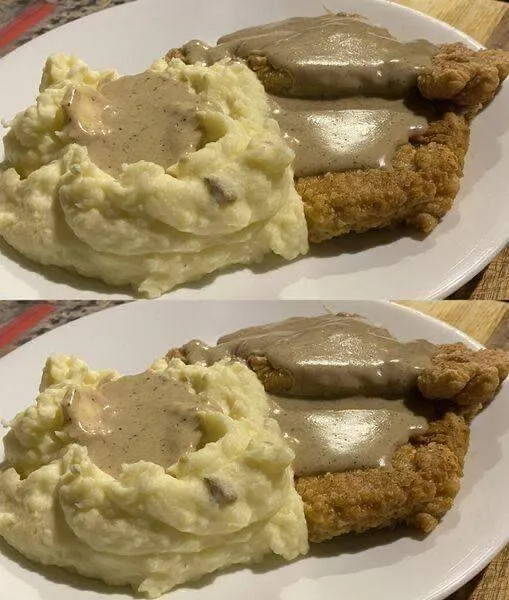
If you’ve always boiled your potatoes in plain water before mashing them, you’re not alone. Most people do. But there’s a clever trick that many grandmothers have been using for generations — and once you try it, you’ll never go back to plain water again. This small swap turns ordinary mashed potatoes into the creamiest, most flavorful version you’ve ever tasted.
The Secret Most People Never Think Of
My grandmother used to laugh whenever I told her I boiled potatoes in water. Then she shared her simple secret: instead of water, she boiled her potatoes in milk — and a splash of heavy cream. The result was mashed potatoes that were richer, smoother, and packed with flavor right from the start.
Why Boiling Potatoes in Milk Makes Such a Big Difference
Here’s what happens when you make the switch:
• The potatoes absorb the milk as they cook, giving them a natural creaminess that water simply can’t provide.
• The fat from the milk and cream creates a velvety texture that feels luxurious.
• You get a subtle richness and depth of flavor that makes every bite taste better.
• It adds a small boost of protein and calcium, making your side dish just a little more nutritious.
It’s a tiny change, but the results are dramatic. Your mashed potatoes will taste like they came from a restaurant — without any extra effort.
Grandma’s Ultimate Mashed Potato Recipe
Here’s exactly how to make them the way my grandmother always did:
Ingredients (serves 6–8):
- 3 pounds russet or Yukon Gold potatoes, peeled and cut into chunks
- 2 cups whole milk
- 1 cup heavy cream
- 1 stick (½ cup) unsalted butter
- Salt and black pepper to taste
- Optional: 2 minced garlic cloves for extra flavor
- Optional: chopped fresh chives or parsley for garnish
Step-by-Step Instructions:
- Prep the potatoes: Peel and cut the potatoes into even-sized chunks. Rinse them under cold water to remove excess starch.
- Boil in milk: In a large pot, combine the milk and heavy cream. Add the potato chunks (and minced garlic if using). Bring to a gentle simmer over medium heat. Make sure the liquid covers the potatoes — add a little more milk if needed.
- Cook until tender: Simmer for 20–25 minutes until the potatoes are fork-tender. They will absorb the creamy liquid as they cook, building flavor from the inside out.
- Mash: Drain any excess liquid if necessary and return the potatoes to the pot. Add the butter and mash until smooth. For extra creaminess, use a hand mixer or potato ricer.
- Season: Stir in salt and pepper to taste. Fold in chopped chives or parsley if desired for color and freshness.
- Serve: Serve warm alongside your favorite main dishes. These potatoes pair beautifully with gravy, roasted meats, or even as a comforting standalone side.
What People Notice After Trying It
Once you switch to milk, you’ll likely notice:
• Much creamier texture
• Richer, more satisfying flavor
• Less need for extra butter or cream at the end
• Compliments from everyone at the table
It’s one of those old-fashioned tricks that still works perfectly today.
The Final Reveal: The secret to the creamiest, most flavorful mashed potatoes is simple — stop boiling your potatoes in water. Instead, boil them in a mixture of milk and a splash of heavy cream. This technique infuses the potatoes with rich flavor and creates a naturally velvety texture that plain water can never achieve. It’s a small change that makes a huge difference.
Final Tips for Perfect Mashed Potatoes
Choose russet or Yukon Gold potatoes for the best results. Cut the pieces evenly so they cook at the same rate. Don’t over-drain the milk mixture — some of that creamy liquid helps create the perfect consistency. Taste and adjust seasoning at the end. And always serve them warm for the best experience.
This method is easy, affordable, and turns a basic side dish into something truly special. Next time you’re making mashed potatoes, give Grandma’s trick a try. Your family and friends will notice the difference immediately — and they’ll be asking for your secret!
Happy cooking, and enjoy every creamy, delicious bite.
Disclaimer: This article is for entertainment and informational purposes only. Always follow safe cooking practices and consult a healthcare professional or registered dietitian for personalized dietary advice. Results may vary based on ingredients and preparation methods.
This is a popular cooking tip originally shared and discussed across various internet communities and forums.
Disclaimer: Our website is designed for informational and entertainment purposes only. We are not a real estate company and do not engage in selling, listing, or brokering properties. We operate as a blog, curating and sharing interesting houses we find on various websites across the internet. All decisions related to real estate should be made in consultation with licensed professionals. We do not guarantee the accuracy or timeliness of the information provided. Use our content at your own discretion and risk.