Most people only start worrying about their bones and joints when pain appears. By then, it’s often too late for easy fixes. The good news? You can do something right now that may help you stay strong, flexible, and independent well into your later years. The secret lies in simple foods you can add to your daily meals.
Why Bones Get Weak Over Time
Bone density usually peaks between ages 20 and 30. After that, it slowly declines. For women, the drop becomes faster after menopause due to hormonal changes. By your 70s or 80s, weak bones can turn a small fall into a serious fracture. Recovery becomes much harder at that age.
The goal isn’t just to avoid pain — it’s to keep moving freely, climbing stairs, and living independently. Diet is one of the most powerful tools you have.
Beyond Just Calcium
Calcium is important, but it’s not the only nutrient your bones need. Protein, vitamin D, vitamin K, magnesium, and vitamin C all play crucial roles. The right combination of foods helps your body build and protect bone tissue while reducing inflammation and supporting muscle strength.
Along with good food choices, simple habits like walking, light strength training, getting sunlight, and maintaining a healthy weight make a big difference.
The 6 Foods That Support Strong Bones and Joints
Here are six everyday foods that medical professionals recommend adding to your regular meals. They are affordable, easy to find, and can make a real difference when eaten consistently.
1. Eggs
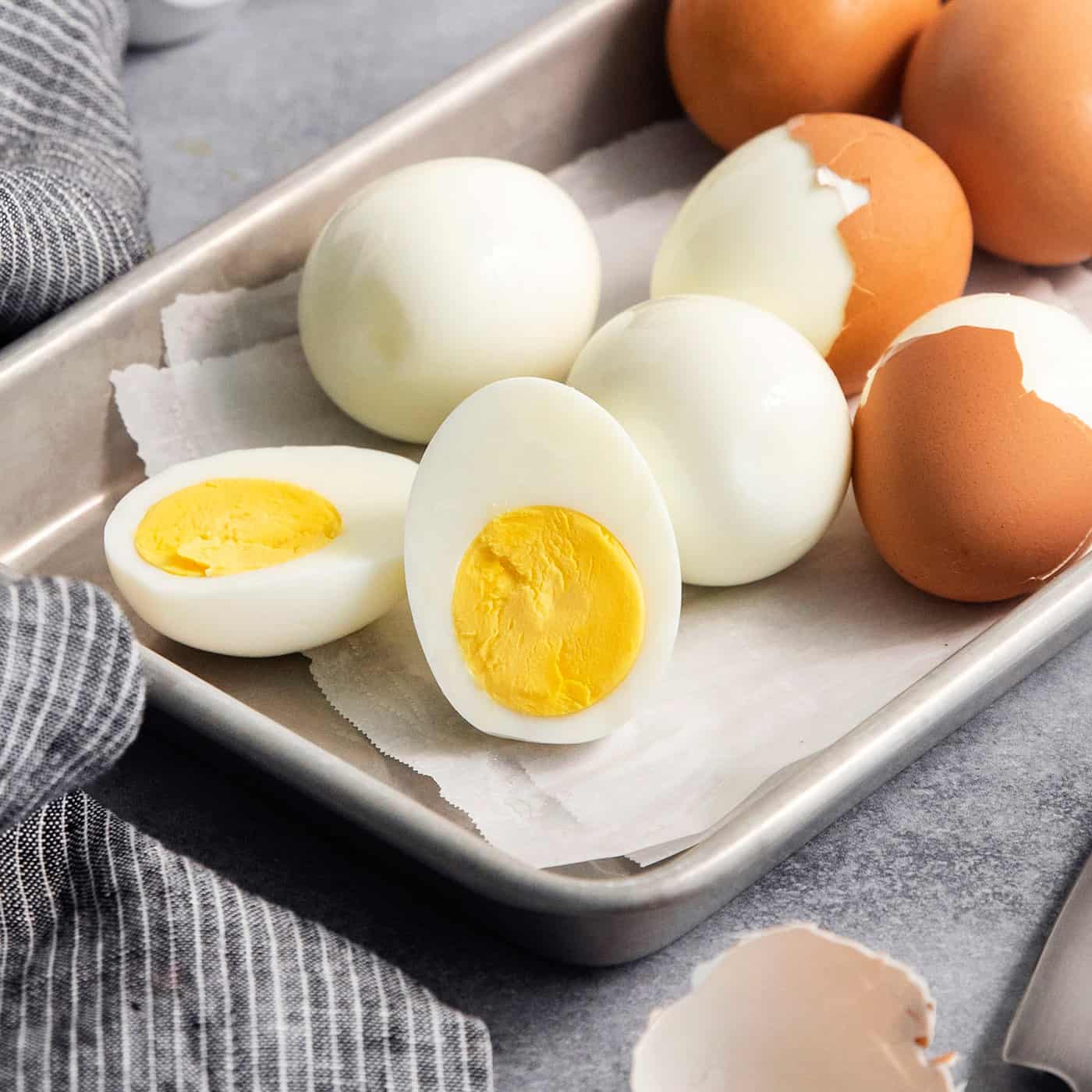
Eggs are packed with high-quality protein. Strong muscles help with balance and reduce the risk of falls — one of the biggest dangers for older adults. Eggs also provide a small amount of vitamin D, which helps your body use calcium better.
2. Leafy Green Vegetables
Kale, spinach, bok choy, and similar greens are excellent for bones. They contain vitamin K, magnesium, and sometimes calcium. These nutrients support bone mineralization and help your body process vitamin D.
3. Milk and Dairy Products
Milk, yogurt, and cheese are well-known sources of easily absorbed calcium and protein. If you can’t have dairy, look for fortified plant-based options or other calcium-rich foods.
4. Nuts and Seeds
Almonds, sesame seeds, chia seeds, and cashews provide magnesium and healthy fats. Magnesium is essential for bone structure and works together with calcium and vitamin D.
5. Vitamin C-Rich Fruits
Oranges, grapefruits, guavas, and strawberries help your body make collagen — the protein that gives bones flexibility and strength. Strong collagen means bones are less likely to become brittle.
6. Fatty Fish
Salmon, mackerel, and sardines are rich in vitamin D and omega-3 fatty acids. Vitamin D is crucial because it helps your body absorb calcium. The omega-3s also reduce inflammation that can damage joints.
Small Changes, Big Results Over Time
You don’t need to eat all six foods every single day. The key is including them regularly as part of a balanced diet. Combine this with daily movement, sunlight exposure, and avoiding smoking and excess alcohol for the best results.
Bones don’t show problems right away. The effort you put in today quietly builds protection for the future.
The Final Reveal: The six foods that can help keep your bones and joints strong so you can stay mobile and independent at 70, 80, and beyond are: Eggs, Leafy Green Vegetables, Milk and Dairy Products, Nuts and Seeds, Vitamin C-rich Fruits, and Fatty Fish. Starting these habits now gives your body the best chance to remain active and pain-free in old age.
Start Today – Your Future Self Will Thank You
It’s never too late to make better choices, but the earlier you start, the better. Adding these foods to your meals is simple, tasty, and one of the smartest investments you can make in your long-term health and independence.
Small daily actions add up. Your bones are listening — feed them well, move regularly, and give them the support they need to carry you confidently through the years ahead.
This is a health and wellness topic originally discussed and shared across various internet communities and forums.
Disclaimer: Our website is designed for informational and entertainment purposes only. We are not a real estate company and do not engage in selling, listing, or brokering properties. We operate as a blog, curating and sharing interesting houses we find on various websites across the internet. All decisions related to real estate should be made in consultation with licensed professionals. We do not guarantee the accuracy or timeliness of the information provided. Use our content at your own discretion and risk.