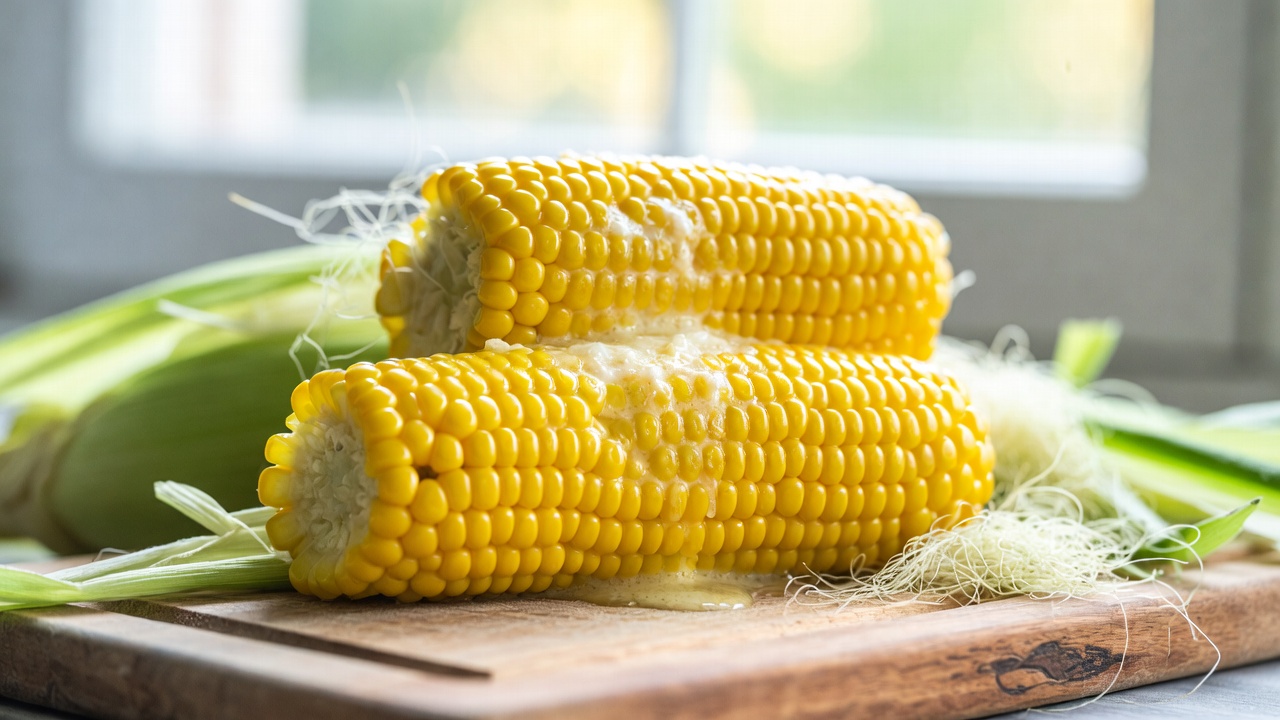
Summer just isn’t complete without sinking your teeth into sweet, juicy corn on the cob. Whether you’re firing up the grill for a backyard barbecue or keeping things simple in the kitchen, boiling corn on the cob is one of the easiest and most reliable ways to get it right every single time.
In this guide, I’ll walk you through everything you need to know — from picking the freshest ears at the market to nailing the exact boiling time so your corn comes out tender, sweet, and never mushy. Plus, I’ve got fun topping ideas that’ll take your corn from good to “can I have seconds?” Let’s dive in!
Why Boiling Corn on the Cob Still Rocks
Boiling might sound basic, but it’s a classic for good reason. It locks in that natural sweetness and gives you consistent results without needing fancy equipment. No grill? No problem. A big pot, some water, and fresh corn are all you need for summer magic.
One of the best things about boiling is how forgiving it is once you know the timing. Get that part right and you’ll avoid the two big mistakes people make: crunchy undercooked kernels or sad, waterlogged mush.
How to Pick the Best Corn on the Cob
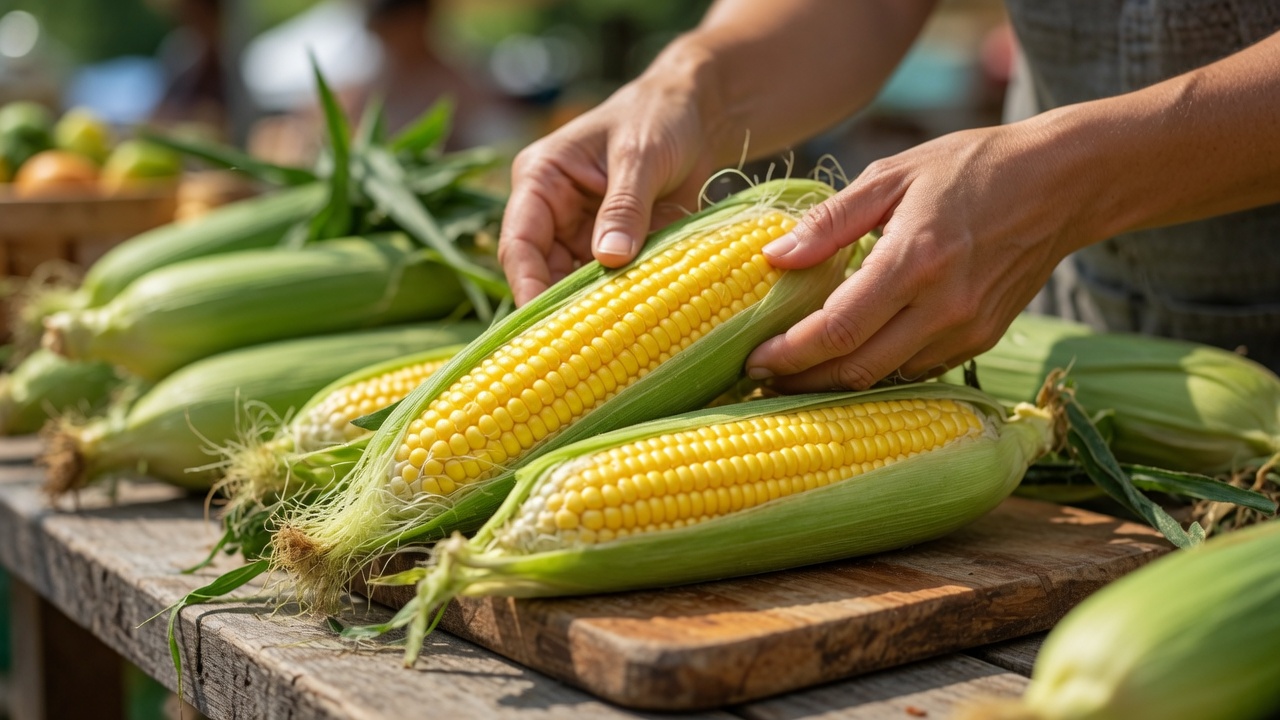
Your final dish starts at the store or farm stand. Freshness makes all the difference in both flavor and cooking time.
- Check the husks: Look for bright green, tightly wrapped husks that feel slightly damp. They should squeak a little when you squeeze them.
- Peel back just a bit: Gently pull back the top of the husk to peek at the kernels. They should be plump, shiny, and tightly packed in straight rows. Skip any with dried-out or brownish tips.
- Feel the weight: Good ears feel heavy for their size — that means juicy kernels inside.
- Avoid these red flags: Dry or loose husks, worm holes, or kernels that look shriveled or have brown spots.
Pro tip: Buy corn the same day you plan to cook it if possible. The sugars start turning to starch quickly after picking, so fresher really is better.
How Long to Boil Corn on the Cob
Here’s the million-dollar question: how long do you actually boil it?
The answer depends on freshness and size, but here are reliable guidelines that work every time:
- Fresh, sweet summer corn: 4-6 minutes
- Good quality but not super fresh: 6-8 minutes
- Larger or slightly older ears: 8-10 minutes
Why the range? Fresh corn has higher sugar content and tender kernels that cook faster. Older corn needs a bit more time to soften. Overboiling turns those natural sugars into starch, so don’t go past 10 minutes unless you like your corn soft and bland.
Many people ask if they should add salt, sugar, or milk to the water. The truth? Plain boiling water works great. Salt can toughen the kernels slightly, and the corn’s own sweetness usually shines through without extras. Save the flavor boosts for after cooking.
Step-by-Step: How to Boil Corn on the Cob Perfectly
- Prep the corn. Peel off the husks and remove as much silk as possible. Rinse the ears under cold water to clean off any leftover silk or dirt.
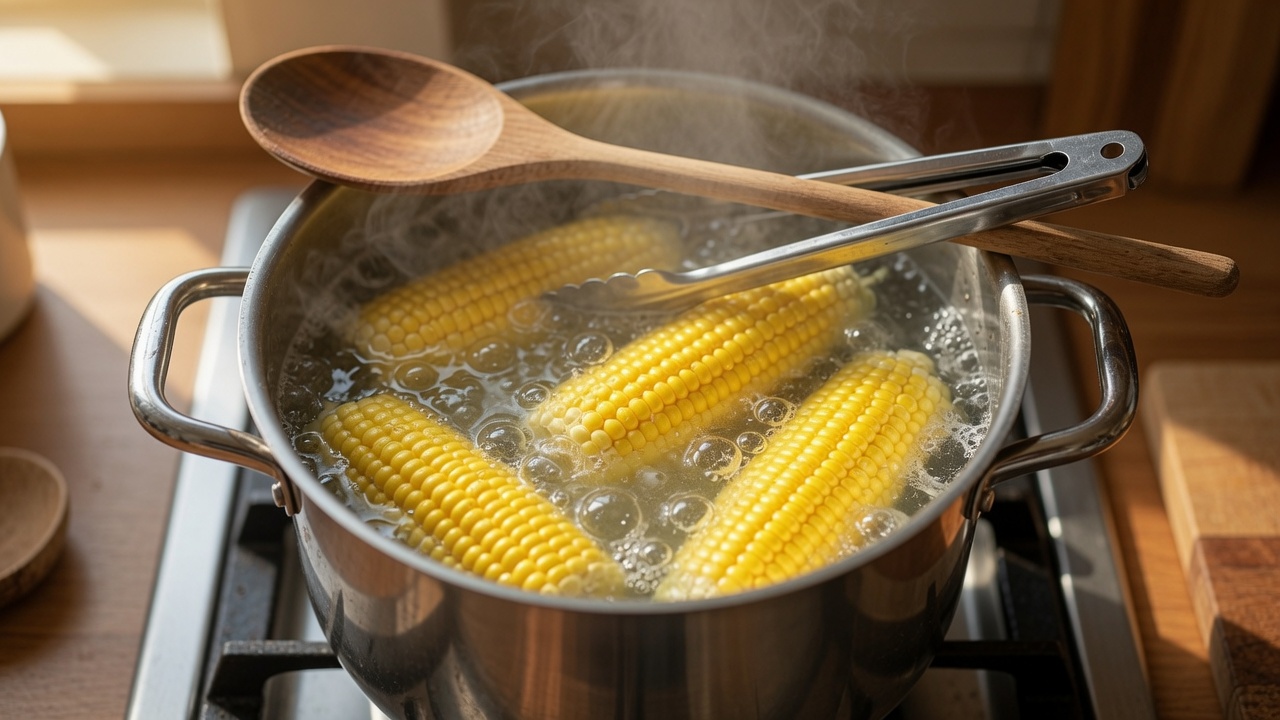
- Get your pot ready. Use a large pot and add enough water to fully cover the corn (about one quart per ear). Bring it to a rolling boil over high heat.
- Add the corn carefully. Once the water is boiling, gently lower the ears into the pot. Don’t overcrowd — cook in batches if needed so they have room to move around.
- Time it right. Reduce heat to medium-high to keep a gentle boil. Set your timer: 4-6 minutes for fresh corn, up to 8-10 for bigger or older ears.
- Check for doneness (optional). After the minimum time, pull out one ear with tongs and test a kernel with a sharp knife. It should pierce easily and feel tender.
- Remove and serve immediately. Use tongs to lift the corn out. Let it cool for a minute or two so it’s safe to handle but still hot.
Want to keep corn warm for a crowd? Turn off the heat and let the ears sit in the hot water for up to 10-15 minutes. Any longer and texture suffers.
Fun and Delicious Toppings for Corn on the Cob
Plain butter and salt is a timeless favorite, but why stop there? Here are some crowd-pleasing ideas:
- Classic Butter & Salt: Slather on real butter while the corn is hot so it melts into every crevice, then hit it with flaky sea salt.
- Mexican Street Corn Style: Spread with mayo or crema, sprinkle cotija cheese, chili powder, and a squeeze of fresh lime. Add cilantro if you’re feeling fancy.
- Herb Butter: Mix softened butter with chopped fresh herbs (parsley, chives, basil), garlic, and a pinch of black pepper.
- Cheesy Twist: Grate Parmesan or crumbled feta over hot corn for a salty, tangy kick.
- Sweet & Spicy: A light brush of honey or maple syrup paired with a dash of cayenne or smoked paprika.
Feel free to mix and match — that’s half the fun!
Extra Tips for the Best Boiled Corn
Don’t boil more than you’ll eat right away. Leftover corn is great for salads, chowder, or salsa, but fresh is always best.
If you’re cooking for a big group, consider a second pot or staggering batches so everyone gets hot corn.
Want to make it even easier? Some folks add a splash of milk to the water for extra sweetness, but I find great fresh corn doesn’t really need it.
Common mistake: Leaving corn in the hot water too long after cooking. It keeps cooking even after you turn off the heat!
Why This Method Works So Well
Boiling is gentle on the delicate kernels and preserves more of that natural “pop” than grilling or microwaving sometimes does. It’s also the most consistent method for beginners. Once you get the timing down, you’ll never serve disappointing corn again.
Nutritionally, corn brings fiber, vitamins, and antioxidants to the table. It’s naturally gluten-free and makes a satisfying side for everything from burgers to grilled chicken.
Next time you see fresh corn at the market, grab a few extra ears. With these simple steps, you’ll be the hero of every summer cookout.
Happy boiling — and don’t forget to pass the butter!
Disclaimer: Our website is designed for informational and entertainment purposes only. We are not a real estate company and do not engage in selling, listing, or brokering properties. We operate as a blog, curating and sharing interesting houses we find on various websites across the internet. All decisions related to real estate should be made in consultation with licensed professionals. We do not guarantee the accuracy or timeliness of the information provided. Use our content at your own discretion and risk.