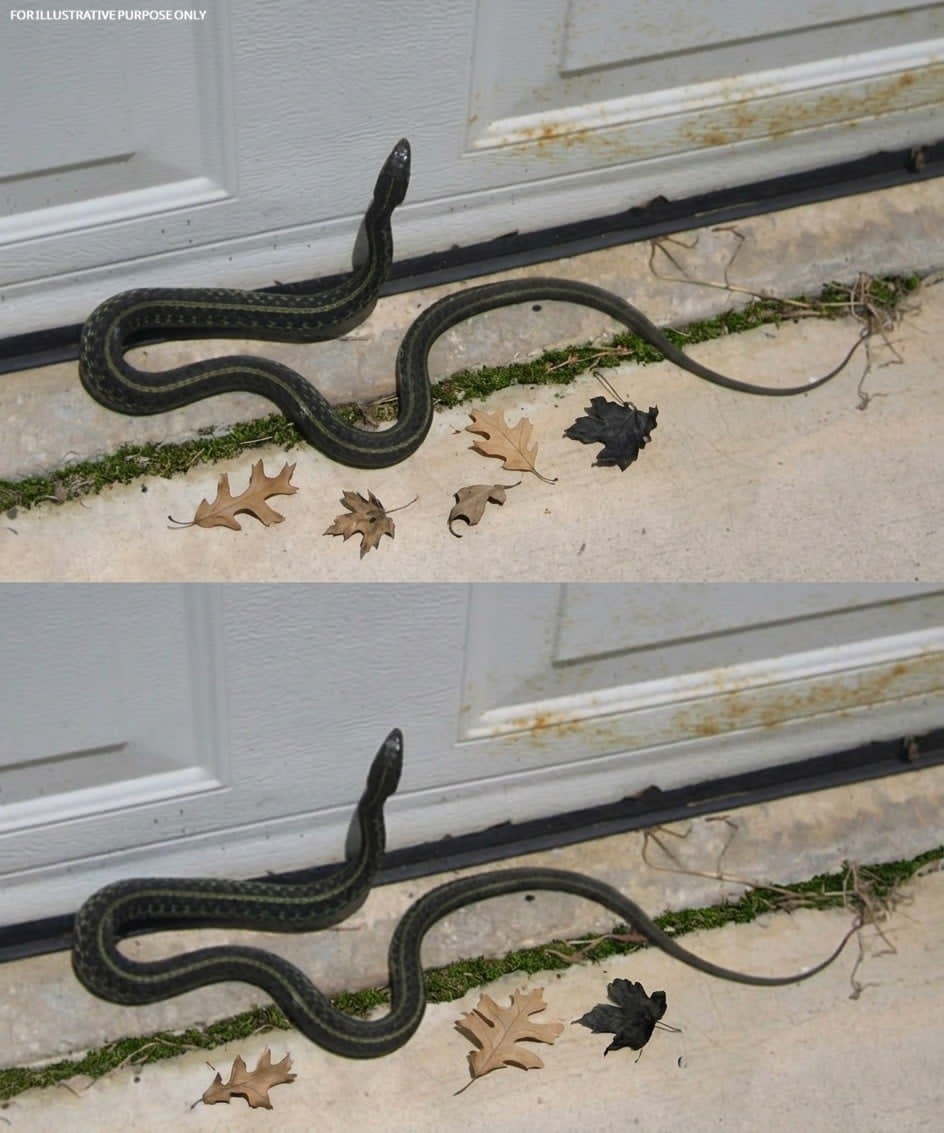
Discovering a snake in your home can stop you in your tracks. Your heart races. You freeze. Questions flood your mind: How did it get in? Is it dangerous? What should I do right now?
While it feels terrifying, snakes usually don’t enter homes to attack people. They are looking for something very simple. Understanding why they come inside and how to respond properly can turn a scary moment into something manageable.
Why Snakes Enter Homes
Snakes are cold-blooded and always searching for three main things: food, shelter, and safety from bad weather. Homes can accidentally offer all three.
If your house has rodents, insects, cluttered storage, basements, or warm hidden spots, it can become attractive to snakes. During heavy rain or flooding, they may also be forced out of their natural homes and wander indoors looking for dry ground.
Stay Calm — This Is the Most Important Step
The worst thing you can do is panic and try to catch or kill the snake yourself. Many bites happen when people get too close or corner the animal. Even non-venomous snakes can bite if they feel threatened.
Here’s what experts recommend instead:
- Stay calm and avoid sudden movements
- Keep your distance
- Close the door to isolate the room if possible
- Make sure children and pets stay away
Call Professionals — Don’t Do It Yourself
The safest option is always to contact local animal control or a wildlife rescue service. Trained professionals know how to safely remove snakes without harming the animal or risking injury to you or your family.
Never try to pick up, trap, or kill a snake unless you are absolutely sure it is harmless and you know exactly what you’re doing.
How to Prevent Snakes From Entering Your Home
Prevention is much easier than dealing with a snake inside. Here are simple steps you can take:
- Seal gaps under doors and repair cracks in walls
- Keep your yard clean — trim grass and remove piles of leaves or wood
- Control rodents and insects (their main food source)
- Store firewood away from the house
- Install door sweeps and check window screens
These small changes make your home much less attractive to snakes looking for shelter.
What Snakes in Homes Often Symbolize
In many cultures around the world, finding a snake inside a home is seen as more than just a random event. Some traditions view it as a sign of transformation, protection, warning, or major life changes coming soon.
While these beliefs are interesting, the most important thing in any real situation is safety first.
The Final Reveal: Snakes usually enter homes looking for food, shelter, or protection from weather — not to harm people. The best response is always to stay calm, keep your distance, and call professionals for safe removal. With simple prevention steps, you can greatly reduce the chances of it happening again. A snake in your house is rarely a random attack — it’s almost always a sign that something in the environment is attracting them.
Final Thoughts
Finding a snake indoors can be frightening, but it doesn’t have to become a crisis. Most snakes are harmless and just passing through. By staying calm and knowing who to call, you protect both your family and the snake.
Respect for wildlife includes knowing when to step back and let experts handle the situation. With good prevention habits, your home can stay snake-free while still living in harmony with nature around you.
Next time you see something unexpected in your house, take a breath. The solution is often simpler — and safer — than it first appears.
This is a popular topic and discussion originally shared across various internet communities and forums.
Disclaimer: Our website is designed for informational and entertainment purposes only. We are not a real estate company and do not engage in selling, listing, or brokering properties. We operate as a blog, curating and sharing interesting houses we find on various websites across the internet. All decisions related to real estate should be made in consultation with licensed professionals. We do not guarantee the accuracy or timeliness of the information provided. Use our content at your own discretion and risk.