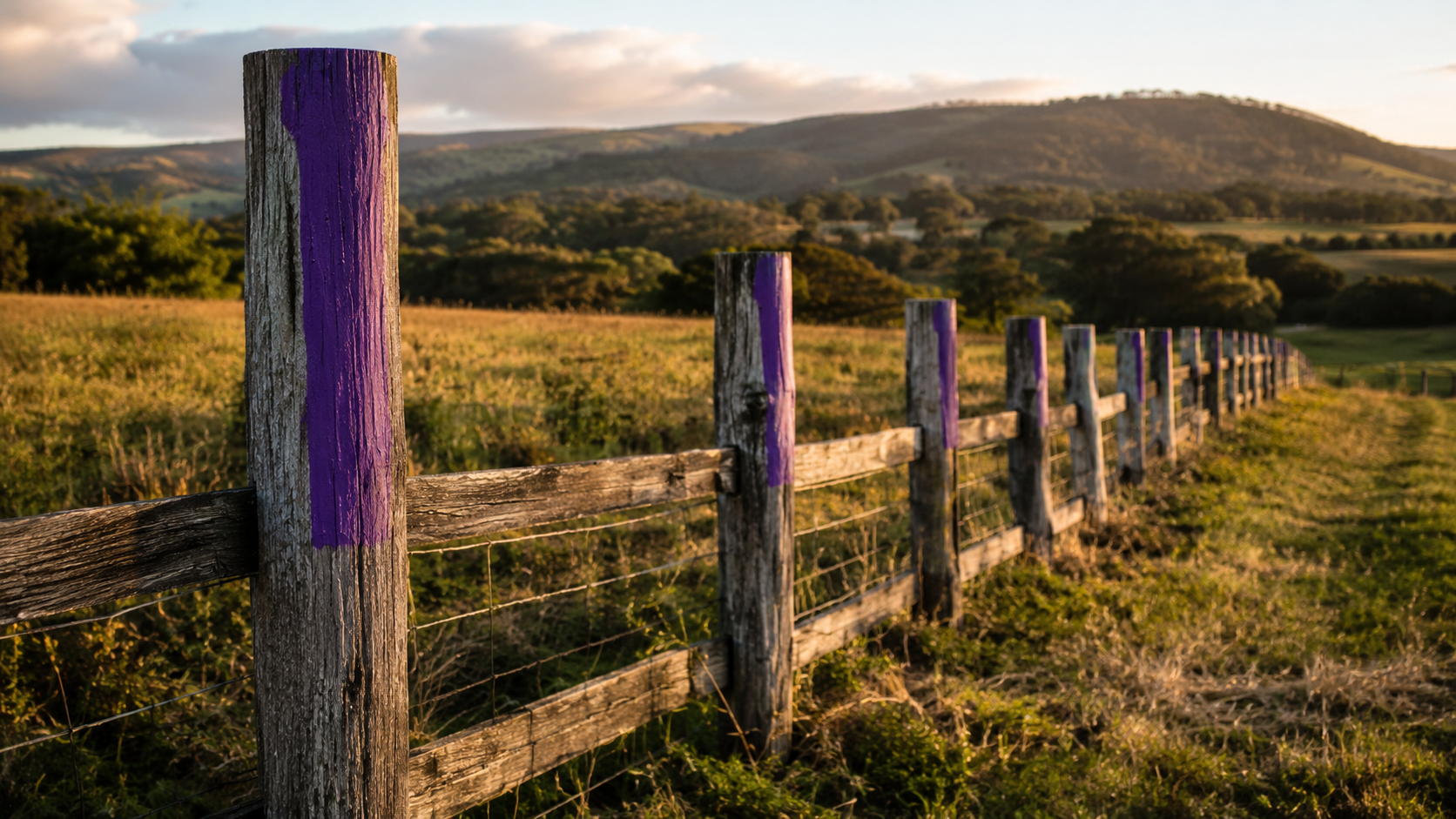
Have you ever been out for a peaceful country walk or drive and spotted a fence with bright purple marks? Not a full purple fence like someone went wild with paint, but those unmistakable vertical purple stripes on the posts. Your first thought might be “Huh, interesting color choice.” But there’s actually a very practical reason behind it — and it’s not about decoration.
In many rural areas across the United States, purple paint on a fence is a clear signal: **No Trespassing**. It’s a clever, low-maintenance way for landowners to mark their private property without cluttering it with dozens of signs. Once you know what to look for, you’ll start noticing it everywhere. Let’s unpack this colorful code so the next time you see purple, you’ll know exactly what it means.
Why Purple? The Smart Reasoning Behind the Color
Why not red, yellow, or bright orange? Purple stands out because it’s unusual on fences. Most people don’t paint their property purple just for fun, so when you see those vertical stripes, your brain immediately registers that something intentional is going on. It’s eye-catching without being aggressive, and it works in all kinds of weather and lighting.
This system has become popular because traditional “No Trespassing” signs can fade, get knocked down by wind or animals, or get stolen. Paint, on the other hand, is cheap, easy to apply, and lasts a long time. One quick swipe every few years and your boundary is clearly marked.
The Official Rules for Purple Paint Markings
It’s not as simple as grabbing any purple paint and slapping it on. There are specific guidelines that make the marking legally valid in states that recognize this method:
- Vertical stripes only: The marks must be vertical lines, not random blobs or horizontal streaks. This shows it’s deliberate.
- Size requirements: Each stripe is usually at least 1 inch wide and 8 inches long — big enough to see from a distance.
- Height sweet spot: Painted 3 to 5 feet off the ground so they’re easy to spot whether you’re walking or driving by. Not too low to be hidden by grass, not too high to miss.
- Spacing: Marks every 100 feet or so along the boundary line. This ensures no one can claim they “didn’t see” the warning.
Following these rules helps the marking hold up if there’s ever a legal situation. It’s a smart, efficient system that many rural landowners love.
Which States Recognize Purple Paint as No Trespassing?
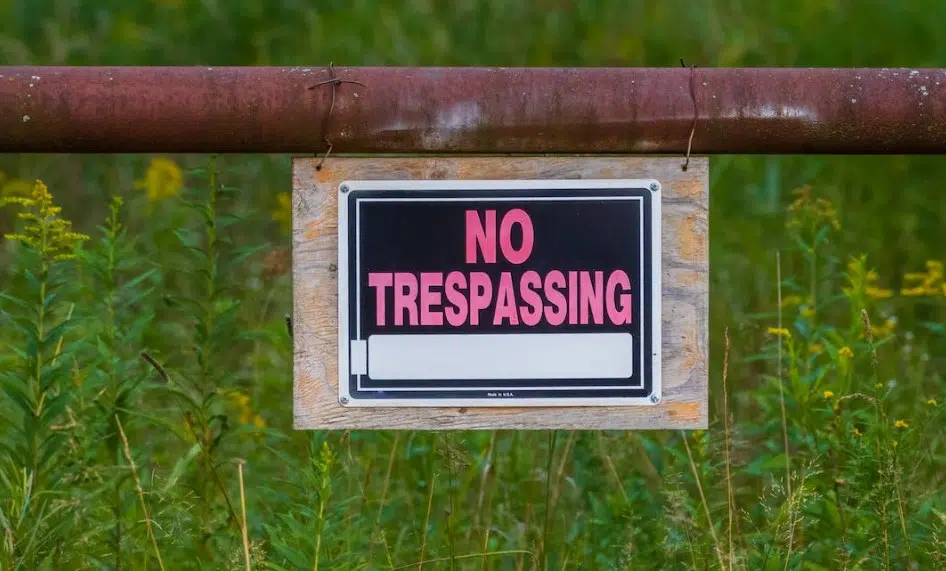
Not every state has officially adopted purple paint laws, so it’s always smart to check local regulations. However, many states in the South, Midwest, and West have embraced it. Places like Texas, Missouri, Arkansas, and several others legally recognize purple markings as equivalent to posted signs.
In these areas, ignoring purple paint can lead to trespassing charges just like walking past a traditional sign would. Always respect the color — when in doubt, stay out. Landowners use this method to protect their fields, woods, hunting land, and homesteads from unwanted visitors, hunters, or even liability issues.
I once chatted with a farmer in Texas who switched entirely to purple paint after losing too many signs to weather and trespassers. He said it saved him time and money while keeping his property safer. Stories like his are common in rural communities.
Why This System Actually Works So Well
Besides being practical, purple paint is effective because it’s distinctive. Hikers, hunters, and outdoor enthusiasts quickly learn what it means. It reduces accidental trespassing and helps avoid confrontations. For landowners, it’s a passive way to set boundaries without constant monitoring.
Some areas also use purple paint or bands on trees instead of (or in addition to) fences. Same rules apply — vertical, properly sized and spaced. It’s all about clear communication without turning your property into a billboard.
Other Surprising Meanings of Purple in Everyday Life
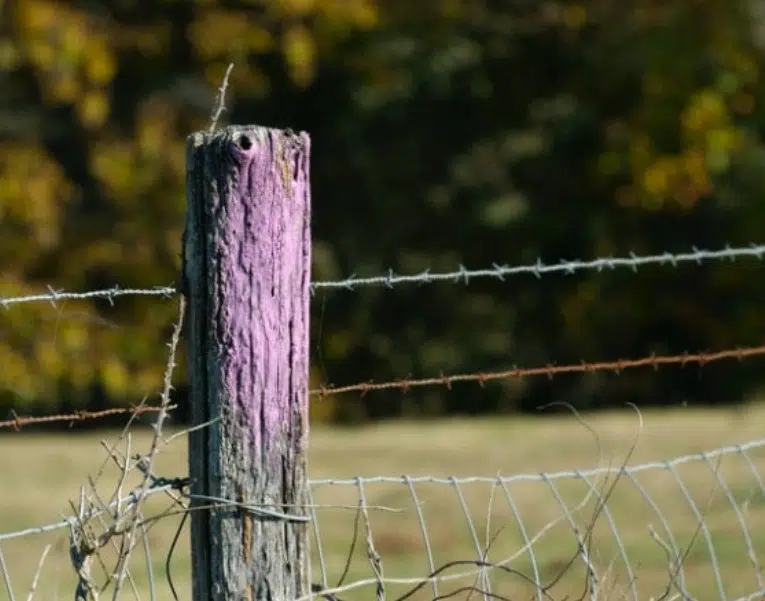
Purple shows up in other important ways too. You’ve probably seen purple parking spots reserved for Purple Heart veterans — a sign of respect for those who were wounded in military service. It’s a small but meaningful way to honor sacrifice.
In nature, purple flowers or berries can signal different things, but when it comes to fences and posts, it’s almost always about boundaries. Knowing this code helps you enjoy public trails and open spaces responsibly while respecting private land.
What Should You Do If You See Purple Markings?
Simple rule: Treat it like a “Keep Out” sign. Turn around and enjoy the areas that are clearly open to the public. Respecting these markings keeps everyone safe and helps maintain good relationships between landowners and outdoor lovers.
If you’re a landowner thinking about using this method, check your state and local laws first. A quick call to your county extension office or a search for “purple paint law [your state]” can give you the details you need. Then grab some durable exterior purple paint and get marking!
It might seem quirky at first, but this purple fence code is a brilliant example of rural problem-solving. Simple, effective, and surprisingly clever.
Next time you’re out exploring and spot that grape-soda colored stripe, you’ll smile knowing the story behind it. Have you ever encountered purple fence markings on your adventures? Or do you use them on your own property? Share your experiences in the comments — I love hearing real-life outdoor stories!
Stay curious, respect the land, and keep exploring responsibly. There’s so much beauty out there when we all play by the same (unwritten) rules.
Disclaimer: Our website is designed for informational and entertainment purposes only. We are not a real estate company and do not engage in selling, listing, or brokering properties. We operate as a blog, curating and sharing interesting houses we find on various websites across the internet. All decisions related to real estate should be made in consultation with licensed professionals. We do not guarantee the accuracy or timeliness of the information provided. Use our content at your own discretion and risk.