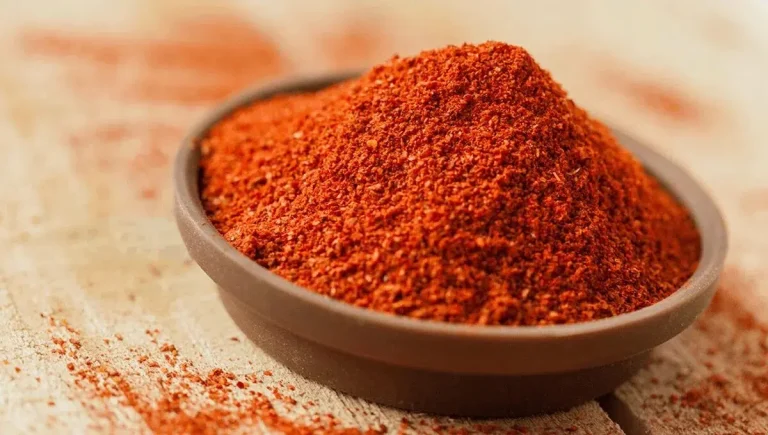
It started with a few viral posts on social media. People across the globe were suddenly sharing their mind-blowing kitchen realization: paprika isn’t from a mysterious “paprika tree.” It is simply dried and ground red peppers!
For many home cooks, this came as a genuine surprise. Some pictured an exotic spice bush from a far-off land. Others just never stopped to wonder where that familiar red tin in the pantry actually came from. There’s something beautiful about these little culinary discoveries. We use an ingredient for decades without ever thinking about its story, until a quick video makes us look at our spice rack with fresh eyes.
So, what is paprika made of, why are there so many different types, and how does a simple vegetable turn into that vibrant powder? Let’s break down the satisfyingly simple truth behind this kitchen staple.
What Is Paprika Made Of? The Simple Truth
At its core, paprika is made from the dried and finely ground pods of specific varieties of Capsicum annuum peppers. This is the exact same botanical family that gives us everyday bell peppers and fiery chili peppers.
However, the specific peppers grown for sweet paprika powder are unique. They are typically milder, feature thinner walls, and boast a high natural sugar content that develops as they ripen fully to a deep, gorgeous red on the vine.
The stunning color we all love comes from natural pigments called carotenoids. As the peppers mature under the sun, these pigments intensify. When the crop is harvested, dried, and ground, those natural colors become the warm red powder we sprinkle on deviled eggs. There are no mysterious additives, artificial dyes, or complicated factory chemicals. It’s 100% pure pepper, transformed by time and dehydration.
The Epic Journey of the Humble Pepper
While we associate the spice heavily with European cooking, the peppers used to make paprika actually originated in the Americas. Indigenous people grew and cooked with them for thousands of years before Spanish explorers carried the seeds back to Europe in the 1500s.
From Spain, the plants traveled across continents, adapting to new climates and soil. Eventually, two distinct regional powerhouses emerged, forever changing the culinary world: Hungary and Spain.
Hungarian Paprika: The Sweet and Warm Classic
In Hungary, the pepper found its true soulmate. By the 1600s, Hungarian farmers were drying and grinding these peppers into a daily staple. In fact, the Hungarian language gave us the very word “paprika!” Regions like Szeged and Kalocsa became world-famous for their spice. In the 1920s, Hungarian growers perfected a method to remove the spicy seeds and ribs, creating the ultra-smooth, premium sweet Hungarian paprika loved today.
Spanish Paprika (Pimentón): The Smoky Sensation
Meanwhile, Spain developed its own legendary tradition known as pimentón. In the oak-rich La Vera region, farmers began slowly smoking their harvested peppers over open oak wood fires for weeks. This process gives Spanish smoked paprika its signature, rich, bacon-like smokiness that anchors iconic dishes like paella and chorizo.
| Type of Paprika | Flavor Profile | Best Used For |
|---|---|---|
| Sweet / Domestic | Mild, sweet, and fruity | Garnishing eggs, potato salad, chicken roast |
| Hungarian Paprika | Rich, warm, complex (ranges sweet to hot) | Goulash, Chicken Paprikash, hearty stews |
| Spanish Smoked (Pimentón) | Deep, smoky, woody, and earthy | Chorizo, paella, roasted potatoes, BBQ rubs |
How Peppers Become Spice Rack Powder
The production process rewards patience and traditional craftsmanship. If you rush any step, the final color and flavor instantly suffer. Here is exactly how farmers turn a fresh vegetable into a shelf-stable spice:
- Vine Ripening: The peppers are left on the plant until they pass the green stage and turn a deep, uniform crimson red. This maximizing stage ensures the highest natural sugar and color content.
- Drying: Traditionally, peppers are spread out under the sun for days until they turn leathery and brittle. In modern or wet climates, commercial food dehydrators or smokehouses are used to gently pull out all moisture.
- De-seeding (Optional): For sweet variations, the inner white ribs and seeds (which contain the heat-giving capsaicin) are meticulously removed. For hot paprika, some seeds are left in.
- Milling: The brittle hulls are stone-ground into a micro-fine powder. In high-quality brands, absolutely nothing else is added to the tin.
How to Use Paprika Like a Professional Chef
Most home cooks only use paprika as a colorful finishing touch—a quick dusting over deviled eggs or potato salad. While it adds a beautiful pop of color, limiting it to a garnish misses out on its true culinary power.
To unlock the full flavor of paprika, you need to “bloom” it in fat. The flavor compounds in dried peppers are fat-soluble. By stirring your paprika directly into warm oil, butter, or rendered bacon fat along with your onions, you release an incredible depth of aroma and taste. Just be careful not to burn it, as scorched paprika turns bitter!
Use sweet Hungarian varieties to anchor creamy sauces, and reach for Spanish smoked pimentón whenever you want to add a meatless, wood-fired depth to roasted vegetables, vegetarian chilis, or homemade BBQ rubs.
💡 DIY Kitchen Project: How to Make Paprika Powder At Home
If you love gardening, you can easily make your own fresh paprika powder at home! Here is how:
- Grow or Buy the Right Peppers: Look for ripe, red Alma Paprika, Feher Ozon, or standard sweet red bell peppers.
- Prep: Wash, dry, and remove the stems. Slice them thin and scrape out the seeds and white inner ribs to keep it sweet.
- Dehydrate: Lay them in a single layer in a food dehydrator at 135°F (57°C) until they are completely brittle and snap like crackers.
- Grind: Pulse the dried pieces in a clean coffee grinder or high-powered blender until a fine powder forms. Sift out any large chunks and store in an airtight glass jar away from direct sunlight!
Appreciating the Simple Things in Our Pantry
Now that you know exactly what is paprika made of, it doesn’t make the spice feel any less magical. If anything, it deepens our appreciation for it. Behind that humble little tin in your cupboard is an incredible story of global exploration, generations of selective farming, and simple, honest food preservation.
The next time you reach into your pantry to season dinner, take a second to look at that brilliant red powder. It’s a gentle reminder that some of the most ordinary things in our kitchens have the deepest roots—and a little curiosity can make any home-cooked meal feel a bit more special.
Disclaimer: Our website is designed for informational and entertainment purposes only. We are not a real estate company and do not engage in selling, listing, or brokering properties. We operate as a blog, curating and sharing interesting houses we find on various websites across the internet. All decisions related to real estate should be made in consultation with licensed professionals. We do not guarantee the accuracy or timeliness of the information provided. Use our content at your own discretion and risk.