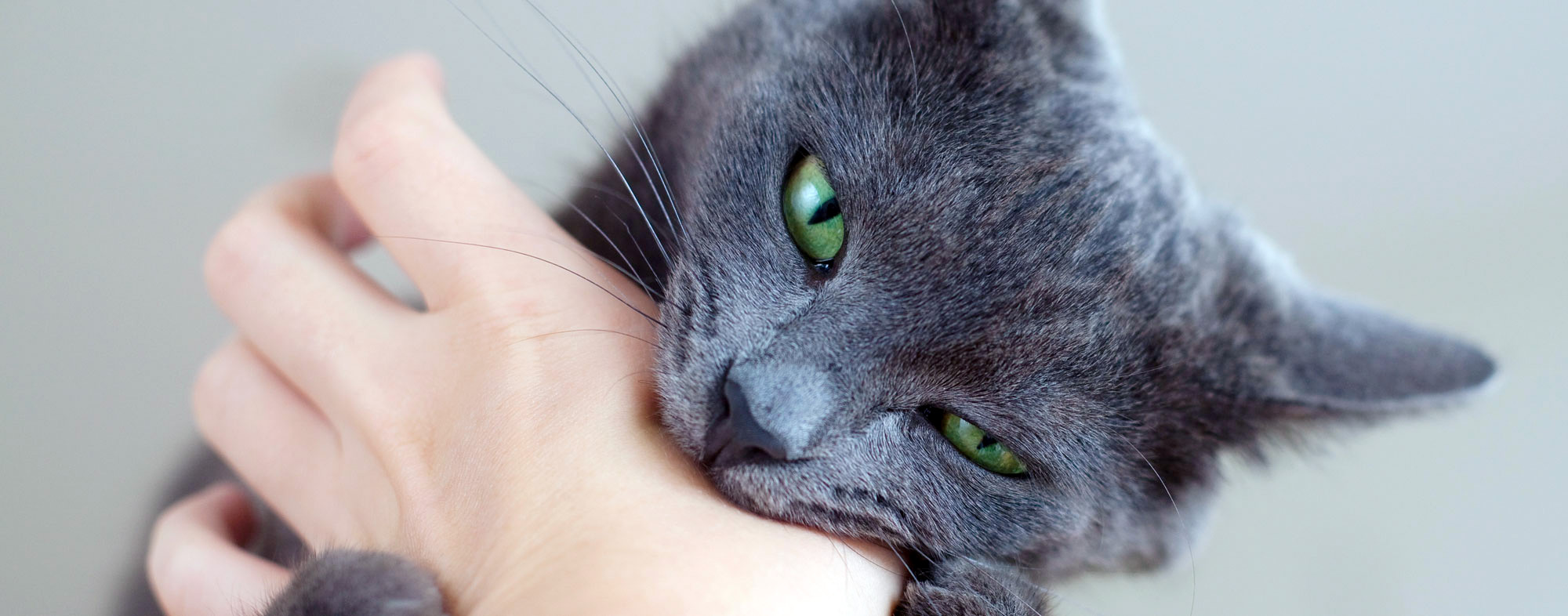
Anyone who has ever shared their home with a cat knows how wonderfully quirky and loving they can be. One minute they’re purring on your lap, the next they give you a little nip that leaves you wondering what just happened. If your cat bites you sometimes, you’re not alone — and it doesn’t always mean they’re angry or aggressive.
Cats communicate in many subtle ways. A bite can mean different things depending on the situation, their body language, and how hard they bite. Understanding these signals can help you build an even stronger bond with your feline friend.
Playful Bites: When They’re Just Having Fun
Cats are natural hunters and love to play. Kittens especially use their mouths during play because that’s how they interacted with their littermates. If your cat gives you a gentle nip during a game or when they’re excited, it’s often just their way of saying “this is fun!”
These playful bites are usually soft and don’t break the skin. They might happen when your cat is chasing a toy or when you’re petting them in a way that feels playful to them. It’s their version of roughhousing with a friend.
Affectionate Nibbles: “I Really Like You”
Some cats give soft, gentle bites as a sign of affection. This often happens when they’re purring, kneading, or enjoying being petted. It’s their way of saying you’ve done a great job and they feel safe and happy with you.
These little love bites are usually very light and quick. Many cat owners describe them as “love nips.” If your cat does this while they’re relaxed and content, it’s generally a compliment rather than a warning.
Overstimulation Bites: “That’s Enough for Now”
One of the most common reasons cats bite is overstimulation. Cats have sensitive nervous systems, and sometimes petting or play can become too much for them. What starts as enjoyable attention can suddenly feel overwhelming.
Signs your cat might be getting overstimulated include:
– Twitching tail
– Flattened ears
– Skin rippling along their back
– Sudden change in behavior
When this happens, a bite is often their way of saying “I need a break.” It’s not aggression — it’s communication. Learning to read these early signals can help you stop petting before the bite happens.
Fear or Stress Bites: When They Feel Threatened
Sometimes a cat will bite because they feel scared or stressed. This can happen if they’re in pain, if something in their environment has changed, or if they feel cornered. In these situations, the bite is a defensive reaction rather than playful or affectionate behavior.
If your cat’s bites seem sudden, hard, or come with hissing, growling, or puffed-up fur, they may be feeling threatened. Giving them space and identifying what might be causing stress can help reduce these incidents.
Medical Reasons: When Pain or Discomfort Is Involved
Occasionally, a cat that suddenly starts biting may be dealing with pain or a medical issue. Arthritis, dental problems, skin conditions, or internal discomfort can make a normally gentle cat more irritable.
If your cat’s biting behavior has changed recently — especially if they seem sensitive when touched in certain areas — it’s worth a visit to the veterinarian. Ruling out medical causes is always a good idea when behavior changes unexpectedly.
How to Respond When Your Cat Bites
When a bite happens, the most important thing is to stay calm. Pulling away quickly can sometimes make the bite worse or turn it into a game. Instead, gently remove yourself from the situation and give your cat some space.
Never punish a cat for biting. This can increase fear and make the behavior worse. Instead, focus on understanding why the bite happened and preventing it in the future by watching for early warning signs.
Redirecting play with toys instead of hands, giving your cat plenty of enrichment, and respecting their boundaries are all excellent ways to reduce unwanted biting.
Important Note: This article is for entertainment and general information purposes only. It is not a substitute for professional veterinary or medical advice. If your cat’s biting behavior is sudden, severe, or accompanied by other concerning symptoms, please consult a qualified veterinarian. Cat bites can also carry a risk of infection in humans, so always clean any bite thoroughly and seek medical attention if needed.
The Final Reveal: When your cat bites you, it usually isn’t because they’re being mean. Most of the time, it’s communication. They might be playing, showing affection, feeling overstimulated, or trying to tell you they need space. Understanding the context and your cat’s body language helps you respond with patience and love. With a little observation, those surprising little nips can actually bring you closer to your feline friend.
Building a Better Relationship With Your Cat
Cats are incredibly sensitive creatures. When we take the time to understand their signals, we create a deeper, more trusting bond. Paying attention to when and why your cat bites is one of the kindest things you can do for them — and for yourself.
Most cats who bite are simply trying to communicate something important. With patience, observation, and respect for their boundaries, those little bites can become much less frequent. And in their place, you’ll often find even more purrs, head bumps, and quiet moments of connection.
Your cat isn’t trying to hurt you. They’re trying to talk to you — in the only language they know.
This is a popular pet behavior topic originally shared and discussed across various internet communities and forums.
Disclaimer: Our website is designed for informational and entertainment purposes only. We are not a real estate company and do not engage in selling, listing, or brokering properties. We operate as a blog, curating and sharing interesting houses we find on various websites across the internet. All decisions related to real estate should be made in consultation with licensed professionals. We do not guarantee the accuracy or timeliness of the information provided. Use our content at your own discretion and risk.